


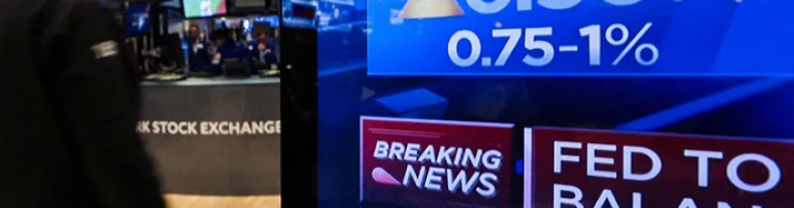
Stephen Miran, a Federal Reserve governor whose term ends at the end of January, said Thursday that he is looking for 150 basis points of interest-rate cuts this year to boost the U.S. labor market. Miran told Bloomberg Television's Surveillance program that Fed officials had room to further reduce rates given his view that underlying inflation was likely running at 2.3%. "I'm looking for about a point and a half of cuts. A lot of that is driven by my view of inflation," Miran said. "Underlying inflation is running within noise of our target, and that's a good indication of where overall...
Federal Reserve Vice Chair for Supervision Michelle Bowman outlined significant changes to bank supervision and regulation during a speech at the California Bankers Association Bank Presidents Seminar on Wednesday. Bowman, who was appointed by President Trump seven months ago, detailed her approach to "pragmatic supervision and regulation" that aims to preserve safety and soundness while ensuring the U.S. banking system remains efficient, innovative, and accessible. Since June 2025, the Fed has implemented several key reforms, including publishing supervisory operating principles in...
Further changes to the Federal Reserve's short-term interest rate will need to be "finely tuned" to incoming data given the risks to both the U.S. central bank's employment and inflation goals, Richmond Fed President Thomas Barkin said on Tuesday. "Both sides of our mandate bear watching. Unemployment remains low on a historic basis but has ticked up. Inflation has come down but remains above target," Barkin told the Greater Raleigh Chamber of Commerce in North Carolina. Interest rates are now "within the range of estimates of neutral," the level that will neither encourage nor discourage...
Richmond Federal Reserve Bank President Tom Barkin said the monetary policy outlook remains in a fragile balance given the conflicting pressures of rising unemployment and persistently high inflation. Last year's 75 basis point policy easing means interest rates are now within the estimated range for the so-called neutral rate, Barkin said, which he likened to taking out insurance. "But going forward, policy will require very careful assessments that balance progress on each side of our mandate," Barkin said in prepared remarks for an event hosted by the Raleigh Chamber of Commerce on...
The US Federal Reserve agreed to cut interest rates at its December meeting only after a highly nuanced debate about the current risks facing the US economy, according to minutes from the two-day meeting. Even some of those who supported a rate cut acknowledged that "the decision was carefully balanced or that they could have supported keeping the target range unchanged," given the different risks facing the US economy, according to minutes from the meeting released on Tuesday. In economic projections released after the December 9-10 meeting, six officials explicitly opposed a cut, and two...
 Bank of Japan (BOJ) Governor Kazuo Ueda stated that achieving 2% inflation is getting closer, although real inflation remains low. Ueda emphasized that the BOJ will continue to raise interest rates...
 The Reserve Bank of Australia (RBA) maintained its cash rate at 4.1% during its April meeting, holding borrowing costs unchanged after slashing 25 bps in the February meeting, aligning with market...