


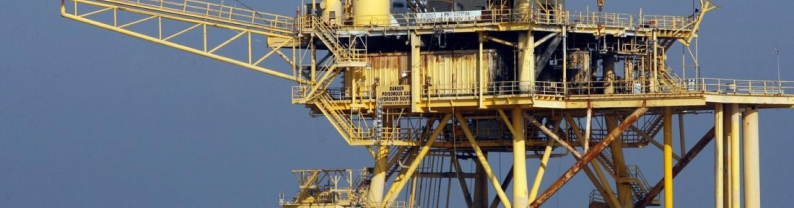
Oil prices stabilized on Thursday (February 12th), as the market reassigned a risk premium to US-Iran tensions despite US inventory data showing swelling domestic supplies. This movement confirms one thing: geopolitical headlines are still more "noise" than signals of a short-term surplus. As of 3:50 PM WIB, Brent was at $69.60/barrel (+0.29%) and WTI was at $64.83/barrel (+0.31%). The gains were moderate, but enough to keep prices near the psychological $70 level for Brent. From a geopolitical perspective, market focus is on the potential for escalation in the Middle East. Recent reports...
The window dressing phenomenon is expected to again influence financial market movements throughout 2025, especially as each quarter approaches its close. This strategy is generally employed by investment managers to enhance portfolio performance in periodic reports, often encouraging the strengthening of risky assets such as stocks. However, this shift in sentiment also has different implications for hedge funds, particularly gold. Quarter One (Q1): Limited Pressure for Gold At the end of March 2025, Q1 window dressing tended to be moderate. Funds began flowing into blue-chip stocks after...
Ukrainian President Volodymyr Zelenskiy called for a meeting with Donald Trump to hammer out the most sensitive issues in a future peace deal with Russia, such as control of territory, following the latest round of U.S.-Ukrainian talks. In remarks to reporters released by his office on Wednesday, Zelenskiy said Ukrainian and U.S. delegations had inched closer to finalising a 20-point plan at the talks over the weekend in Miami. "This is a document referred to as a framework a foundational document on ending the war, a political document between us, America, Europe, and the Russians,"...
U.S. firms are preparing to raise prices again in 2026 as they continue to recover the impact of higher tariffs, according to Morgan Stanley. Analyst Michael Gapen stated in a note this week that the latest GDP data shows companies have already taken "a significant step towards recovering the costs of tariffs by pushing output prices higher," helping restore profitability and easing recession risks. The analyst noted that "tariffs pushed nonlabor costs sharply higher over the past two quarters," with firms initially responding by hiring less and seeing a hit to profits. However, in the...
In November 2025, housing starts in Japan declined by 8.5% year-on-year, significantly worse than market expectations of just 0.4%. This decline also reversed the 3.2% increase recorded the previous month. This marked the seventh consecutive decline this year, with declines spread across various housing categories, including owned homes, rental units, built-for-sale homes, and prefabricated housing. The sharpest decline was seen in built-for-sale homes, which fell by 11.3%, while owned homes also experienced a significant decline of 9.5%. While various factors were at play, this decline...
Applications for US unemployment benefits fell last week, highlighting the seasonal swings in the data at this time of year. Initial claims decreased by 10,000 to 214,000 in the week ended Dec. 20, according to Labor Department data released Wednesday. The median forecast in a Bloomberg survey of economists called for 224,000 applications. Continuing claims, a proxy for the number of people receiving benefits, rose to 1.92 million in the previous week. New applications have been volatile in recent weeks, as is typical around holidays. Source : Bloomberg.com
As quarter-end and especially year-end approaches, financial markets often experience a phenomenon known as window dressing—where investment managers and large funds reorganize their portfolios to enhance the performance results they report to clients or shareholders. This strategy can have a significant impact on various asset classes, not just stocks but also gold and the dollar. What Is Window Dressing? Simply put, window dressing occurs when fund managers engage in specific buying and selling activities at the end of a period (quarter or year) to improve the portfolio's appearance....
Pemerintah China secara resmi menyatakan penolakannya terhadap rencana tarif baru yang akan diberlakukan Amerika Serikat terhadap impor chip semikonduktor asal China. Pernyataan ini disampaikan juru bicara Kementerian Luar Negeri China dalam konferensi pers rutin di Beijing, di tengah meningkatnya ketegangan di sektor teknologi global. China mengecam langkah Washington sebagai penggunaan tarif yang terlalu luas dan tidak adil, yang menurutnya akan "menekan industri China secara tidak masuk akal" serta merugikan stabilitas rantai pasokan global. Pemerintah China mendesak AS untuk mengubah...
US President Donald Trump used a series of social media posts to outline his views on inflation, interest rates, and Federal Reserve (FED) leadership, emphasizing his strong preference for lower interest rates and the close alignment between monetary policy and market performance. He suggested that inflation would either take care of itself or could be addressed through interest rate hikes if necessary. Trump also said he wants financial markets to respond positively to good news and negatively to bad news, reinforcing his long-standing focus on stock market performance as a key economic...
 Gold rises in the early Asian trade. There's a broad commodities uptrend, driven by macro uncertainty, a weaker dollar, and persistent demand for "hard" assets, says Fawad Razaqzada, market analyst...
 Oil extended declines after OPEC+ agreed to a bigger-than-expected production increase next month, raising concerns about oversupply just as US tariffs fan fears about the demand outlook.
Brent...
Oil extended declines after OPEC+ agreed to a bigger-than-expected production increase next month, raising concerns about oversupply just as US tariffs fan fears about the demand outlook.
Brent...
 The Japanese Yen (JPY) weakened against its US counterpart and reversed part of Friday's recovery from the lowest level since July 23 following Bank of Japan (BOJ) Governor Kazuo Ueda's remarks....