


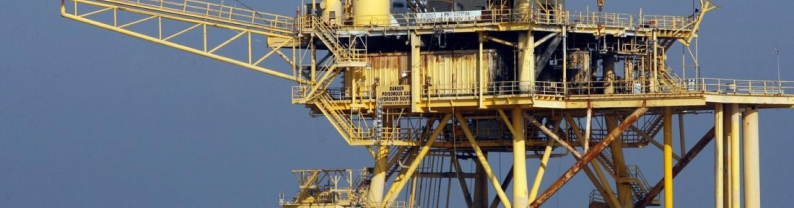
Oil prices stabilized on Thursday (February 12th), as the market reassigned a risk premium to US-Iran tensions despite US inventory data showing swelling domestic supplies. This movement confirms one thing: geopolitical headlines are still more "noise" than signals of a short-term surplus. As of 3:50 PM WIB, Brent was at $69.60/barrel (+0.29%) and WTI was at $64.83/barrel (+0.31%). The gains were moderate, but enough to keep prices near the psychological $70 level for Brent. From a geopolitical perspective, market focus is on the potential for escalation in the Middle East. Recent reports...
During a panel hosted by the Federal Reserve Bank of Atlanta, San Francisco and Cleveland Fed Bank Presidents Mary C. Daly and Beth Hammack both took the opportunity to express concerns about the current state of the U.S. economy. While economic data remains strong, U.S. trade policies have left many consumers and businesses increasingly frustrated. Atlanta Fed President Raphael Bostic also participated in the event, adding to his earlier comments made on Tuesday. The Trump administration's erratic and erratic tariffs threaten to strain the logistics of U.S. trade, which relies heavily on...
Long-term interest rates are now notably higher, driven mainly by increased real rates rather than shifts in inflation expectations, while estimates of the longer-run neutral policy rate have also risen, Fed Chair Jerome Powell said on Thursday. Speaking about the Fed's ongoing review of its policy framework, last updated in 2020, Powell said the economy has changed a lot since then. He warned that inflation might become more volatile in the future due to more frequent supply shocks, which could make it harder for central banks to achieve price stability. Throughout his remarks, Powell...
The Bank of England cut its main interest rate by 0.25 percentage points to 4.25% on Thursday, despite an unexpected three-way split among policymakers as U.S. President Donald Trump's tariffs weigh on global economic growth. The BoE's Monetary Policy Committee voted 5-4 in favour of the decision to cut rates by a quarter point. Two members, Swati Dhingra and Alan Taylor, voted for a bigger half-point cut while Chief Economist Huw Pill and external member Catherine Mann wanted to keep interest rates on hold. The decision by the British central bank is its first since Trump announced...
Federal Reserve Chair Jerome Powell said the economic impact of new tariffs is likely to be significantly larger than expected, and the central bank must make sure that doesn't lead to a growing inflation problem. "While uncertainty remains elevated, it is now becoming clear that the tariff increases will be significantly larger than expected," Powell said Friday at the Society for Advancing Business Editing and Writing annual conference. "The same is likely to be true of the economic effects, which will include higher inflation and slower growth." Despite that view, in a...
The Reserve Bank of Australia (RBA) maintained its cash rate at 4.1% during its April meeting, holding borrowing costs unchanged after slashing 25 bps in the February meeting, aligning with market consensus. The committee also kept the interest rate on Exchange Settlement balances at 4.0%. Source: Trading Economics
In an interview with CNBC on Friday, Federal Reserve Bank of Chicago President Austan Goolsbee said they should wait for things to get clearer when there is so much uncertainty. Key points "There has been a clear shift toward anxiety and anticipation of capital spending among business contacts." "The current conditions may be a shock to the economy depending on how long they last." "The Fed needs to be calm and take a long-term view of the economy." "Markets want information quickly but that's not realistic right now." "There's still a lot of strength in the economy right...
Will the Fed signal more or less rate cuts? Higher inflation expectations and dimmer growth prospects compete with each other. All eyes are on Chair Powell. Fed may opt for patience amid panicThe Federal Reserve (Fed) is projected to leave interest rates unchanged at its March meeting. However, every word that Chair Jerome Powell says and every change to the bank's forecasts are critical for markets. In the last "dot plot" in December, the bank signaled only two rate cuts are due in 2025, half of what it previously forecasted. That hawkish twist came as the economy looked strong and...
 Gold rises in the early Asian trade. There's a broad commodities uptrend, driven by macro uncertainty, a weaker dollar, and persistent demand for "hard" assets, says Fawad Razaqzada, market analyst...
 Oil extended declines after OPEC+ agreed to a bigger-than-expected production increase next month, raising concerns about oversupply just as US tariffs fan fears about the demand outlook.
Brent...
Oil extended declines after OPEC+ agreed to a bigger-than-expected production increase next month, raising concerns about oversupply just as US tariffs fan fears about the demand outlook.
Brent...
 The Japanese Yen (JPY) weakened against its US counterpart and reversed part of Friday's recovery from the lowest level since July 23 following Bank of Japan (BOJ) Governor Kazuo Ueda's remarks....