


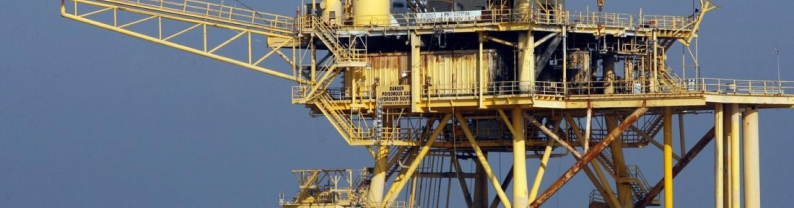
Oil prices stabilized on Thursday (February 12th), as the market reassigned a risk premium to US-Iran tensions despite US inventory data showing swelling domestic supplies. This movement confirms one thing: geopolitical headlines are still more "noise" than signals of a short-term surplus. As of 3:50 PM WIB, Brent was at $69.60/barrel (+0.29%) and WTI was at $64.83/barrel (+0.31%). The gains were moderate, but enough to keep prices near the psychological $70 level for Brent. From a geopolitical perspective, market focus is on the potential for escalation in the Middle East. Recent reports...
European markets moved higher at the open on Tuesday, reversing course from a four-day losing streak fuelled by red-hot global tariff tensions. The regional Stoxx 600 index was around 1% higher shortly after the opening bell, with almost every sector and all major bourses in positive territory. The index ended Monday's session around 4.5% lower, marking its lowest closing level since January 2024. Key regional indices including the U.K.'s FTSE 100, the German DAX and France's CAC 40 also all closed sharply lower. Global equity markets have been rocked by the frequent updates around U.S....
Japanese equities surged on Tuesday, with the Nikkei 225 rallying 6.03% to close at 33,012 and the broader Topix Index jumping 6.26% to 2,432, as investors welcomed signs of easing trade tensions between Japan and the US. The rebound followed news that US President Donald Trump agreed to hold trade talks with Japanese officials after a phone call with Prime Minister Shigeru Ishiba. US Treasury Secretary Scott Bessent noted that Japan would likely be prioritized for tariff relief due to its prompt engagement. Meanwhile, Japanese Finance Minister Katsunobu Kato pledged to take all necessary...
Asia-Pacific markets opened higher Tuesday, rebounding from previous session's losses over U.S. President Donald Trump's tariff policy and threats of even higher levies against China.Australia's S&P/ASX 200 added 0.18% at the open.Japan's Nikkei 225 rose 6.41% while the Topix gained 6.81%. South Korea's Kospi rose 1.7% while the small-cap Kosdaq climbed 2.35%.Hong Kong's Hang Seng Index rose 2.25%, while the Hang Seng Tech Index jumped 4.17%. Hong Kong's stock market led losses in the region on Monday, with the Hang Seng Index plummeting over 13% to log its steepest one-day decline since...
Hong Kong shares jumped 495 points or 2.5% to 20,304 in Tuesday morning trade, attempting to recover from a historic 13.2% plunge in the previous session—the steepest one-day loss since 2008. The upturn was supported by broad-based gains, led by strength in the tech and consumer sectors. Sentiment improved, buoyed by a sharp rise in U.S. futures, after Wall Street's S&P 500 posted its third consecutive loss overnight in the wake of President Trump's latest tariff announcement. Meanwhile, Beijing warned it will "fight to the end" if the U.S. moves forward with additional tariffs,...
The Nikkei 225 Index jumped 6% to around 33,000 while the broader Topix Index gained 3.5% to 2,370 on Tuesday, recouping losses from the previous session after US President Donald Trump said that he agreed to meet with Japanese officials to begin trade negotiations following a phone call with Prime Minister Shigeru Ishiba. However, volatility is expected to remain high as Trump threatened China with another 50% tariff on top of existing levies if Beijing does not lift its duties on US imports. Financial stocks led the rebound after bearing the brunt of the recent selloff, with strong gains...
U.S. stocks closed mostly lower on Monday (07/04), as markets reacted to President Donald Trump's escalating trade war with China, including threats to impose additional tariffs of 50% if Beijing does not roll back its retaliatory measures. The S&P 500 fell 0.7%, the Dow Jones dropped 342 points in a wild session marked by record intraday moves, and the Nasdaq 100 closed up 0.2% after earlier plunging more than 3%. Volatility surged across asset classes, with equities, Treasuries and commodities all being tossed around by conflicting headlines, including speculation about a 90-day tariff...
European stocks plunged to the lowest in more than a year on Monday, as President Donald Trump issued a fresh tariff threat to China and foreign leaders raced to the negotiating table to persuade him to lower his steep tariff charges. The Stoxx Europe 600 Index was 4.5% lower at the close in London, the lowest since end-January 2024, having earlier shed as much as 6.5%. The DAX slid 4.2%, recouping some of its earlier 10% plunge. Shortly before the closing bell in Europe, Trump threatened to impose an additional 50% tariff on China unless...
U.S. stocks plunged for a third straight session on Monday, as the White House doubled down on aggressive tariffs against key trading partners despite growing market turmoil. The S&P 500 sank 3.7%, pushing its decline from its February record high to 20%, officially entering bear market territory. The Dow Jones dropped another 1,200 points, or 3.3%, while the Nasdaq fell 3.7%, having already entered a bear market last week amid mounting recession fears sparked by President Trump's sweeping trade policies. On Friday, China announced a 34% tariff on all U.S. imports instead of returning...
 Gold rises in the early Asian trade. There's a broad commodities uptrend, driven by macro uncertainty, a weaker dollar, and persistent demand for "hard" assets, says Fawad Razaqzada, market analyst...
 Oil extended declines after OPEC+ agreed to a bigger-than-expected production increase next month, raising concerns about oversupply just as US tariffs fan fears about the demand outlook.
Brent...
Oil extended declines after OPEC+ agreed to a bigger-than-expected production increase next month, raising concerns about oversupply just as US tariffs fan fears about the demand outlook.
Brent...
 The Japanese Yen (JPY) weakened against its US counterpart and reversed part of Friday's recovery from the lowest level since July 23 following Bank of Japan (BOJ) Governor Kazuo Ueda's remarks....