


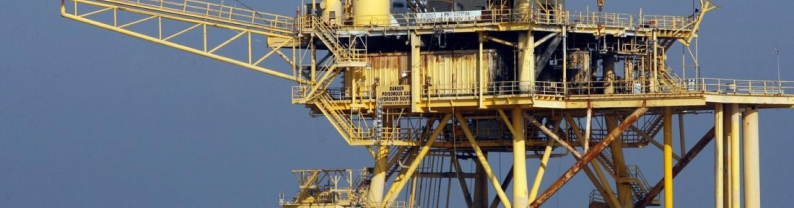
Oil prices stabilized on Thursday (February 12th), as the market reassigned a risk premium to US-Iran tensions despite US inventory data showing swelling domestic supplies. This movement confirms one thing: geopolitical headlines are still more "noise" than signals of a short-term surplus. As of 3:50 PM WIB, Brent was at $69.60/barrel (+0.29%) and WTI was at $64.83/barrel (+0.31%). The gains were moderate, but enough to keep prices near the psychological $70 level for Brent. From a geopolitical perspective, market focus is on the potential for escalation in the Middle East. Recent reports...
Gold prices are holding steady after dropping nearly 1% in the previous session. The market is now holding its ground while awaiting two major events: the release of US employment data and the annual commodity index rebalancing process. On Thursday morning, gold held around US$4,460 per troy ounce. This "calm" movement is understandable, as many market participants are choosing to wait for a new direction before taking large positions. The main focus comes from the rebalancing of the global commodity index. A number of passive tracking funds are expected to begin selling precious metal...
Oil prices edged higher as the market digested the United States' latest moves regarding Venezuela. WTI held steady at US$56/barrel after a sharp drop, while Brent remained below US$60/barrel. This slight increase occurred as traders weighed the US's purported plan to control Venezuelan oil sales going forward. This meant more than just sanctions, but also the question of who would "regulate" the flow of Venezuelan oil to the market. US Energy Secretary Chris Wright stated that the US government would begin by offering stored crude oil, then move on to selling Venezuelan oil supplies. The...
Brent crude prices sank in volatile trading on Wednesday after U.S. President Donald Trump said Venezuela will supply tens of millions of barrels of oil to Washington. Oil prices were nursing losses from earlier this week after the U.S.' incursion into Venezuela spurred bets on a broad lifting of sanctions against the country's oil industry. Such a move could release tens of millions of barrels of supply back into markets. While heightened geopolitical uncertainty saw traders price in some risk premium, oil remained largely on the backfoot amid growing concerns over a supply glut in 2026....
The precious metals market was briefly depressed following the release of the JOLTS Job Openings data (US job openings), but in the following trading session, gold prices recovered and rose again, reflecting the volatile market dynamics ahead of the next major economic data. Initial Reaction: Decline after JOLTS Data Stronger-than-expected JOLTS data is often seen as a sign that the US labor market remains strong. This has the following impact: A strengthening US dollar, as strong data often raises expectations for a Fed interest rate hike. A rise in US bond yields, which makes...
Gold prices fell as market participants began to ignore geopolitical escalation and instead focused on a busy slate of US economic data this week. Gold weakened after rallying more than 4% in the last three sessions, now hovering near the $4,455/oz area. On the geopolitical front, tensions remain high: President Donald Trump said Venezuela would hand over 50 million barrels of oil to the US, while the White House also ruled out the use of force to control Greenland. In Asia, China imposed export controls to Japan on goods potentially used for military purposes. However, instead of...
Oil prices weakened again on Wednesday after the market digested US President Donald Trump's statement regarding a deal to import Venezuelan crude oil to the United States. The main sentiment was the potential for increased supply to the world's largest oil consumer, at a time when the market was already sensitive to oversupply concerns. In the latest trading session, Brent fell around 1% to $60.09 per barrel, while WTI weakened 1.37% to $56.35 per barrel. This decline extended the weakness from the previous session, when the market increasingly leaned toward the "loose supply" narrative...
Silver prices (XAG/USD) reversed their decline on Wednesday (January 7th) after three sessions of surges. Silver fell around 2.5% to around US$79.27 per troy ounce in the latest trading session, marking a "cooling off" phase after briefly approaching record levels. This decline was primarily driven by profit-taking. After a rapid rally in recent days, many market participants opted to lock in profits—especially ahead of a series of US economic data that typically triggers significant volatility in precious metals. Additional pressure came from the strengthening US dollar. The dollar index...
Gold prices weakened on Wednesday (January 7) after briefly touching their highest level in more than a week earlier in the session. Pressure arose as investors opted to take profits after a brief rally, while the market began to focus on a series of US jobs data that could alter expectations for the Fed's interest rate direction. In recent trading, spot gold fell 0.8% to $4,460/oz. Gold's weakness was also triggered by the strengthening US dollar, which remained near its highest level in more than two weeks. When the dollar strengthens, gold priced in USD automatically becomes more...
 Gold rises in the early Asian trade. There's a broad commodities uptrend, driven by macro uncertainty, a weaker dollar, and persistent demand for "hard" assets, says Fawad Razaqzada, market analyst...
 Oil extended declines after OPEC+ agreed to a bigger-than-expected production increase next month, raising concerns about oversupply just as US tariffs fan fears about the demand outlook.
Brent...
Oil extended declines after OPEC+ agreed to a bigger-than-expected production increase next month, raising concerns about oversupply just as US tariffs fan fears about the demand outlook.
Brent...
 The Japanese Yen (JPY) weakened against its US counterpart and reversed part of Friday's recovery from the lowest level since July 23 following Bank of Japan (BOJ) Governor Kazuo Ueda's remarks....