


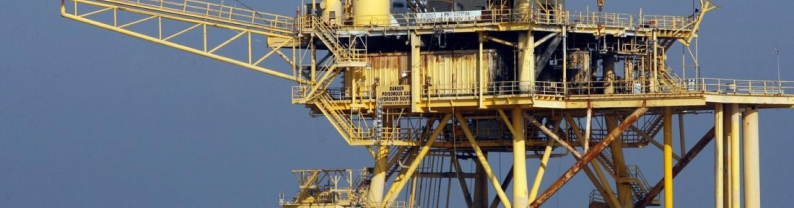
Oil prices stabilized on Thursday (February 12th), as the market reassigned a risk premium to US-Iran tensions despite US inventory data showing swelling domestic supplies. This movement confirms one thing: geopolitical headlines are still more "noise" than signals of a short-term surplus. As of 3:50 PM WIB, Brent was at $69.60/barrel (+0.29%) and WTI was at $64.83/barrel (+0.31%). The gains were moderate, but enough to keep prices near the psychological $70 level for Brent. From a geopolitical perspective, market focus is on the potential for escalation in the Middle East. Recent reports...
Initial jobless claims in the US fell by 10,000 from the previous week to 236,000 on the week ending June 21st, less than market expectations that they would remain unchanged. Still, the result remained firmly above this year's average, suggesting some softening in the US labor market. Additionally, outstanding claims rose by 37,000 to 1,974,000 in the week prior, well above market expectations of 1,950,000, and the highest since November 2021 to suggest that the unemployed population is having more difficulties in finding suitable employment. Source: Trading Economics
TIANJIN, China — Chinese Premier Li Qiang on Wednesday called on other countries to collaborate on trade, despite rising tariffs and other barriers. "Globalization will not be reversed," he said through an official English translation, as he called on all sides not to turn trade into a political or security issue. Engaging in the international economy is a way of "reshaping the rules and order," Li added, calling on countries to keep to the "right" path. Li did not comment specifically on U.S. trade tensions or the Israel-Iran conflict. He was speaking at the opening plenary of the World...
The Trump administration's tariff plans may well just cause a one-time jump in prices, but the risk it could cause more persistent inflation is large enough for the central bank to be careful in considering further rate cuts, Federal Reserve Chair Jerome Powell told a U.S. Senate panel on Wednesday. Though economic theory may point to tariffs as a one-off shock to prices, "that is not a law of nature," said Powell, detailing why the central bank wants more information about the ultimate level of tariffs and the way they impact pricing and public expectations about inflation before lowering...
President Donald Trump said on Wednesday that the United States will make Spain pay twice as much for a trade deal after the country's refusal to meet a NATO defense spending target of 5% of gross domestic product. NATO leaders backed a big increase in defense spending on Wednesday that Trump had demanded, but Spain declared that it does not need to meet the goal and can meet its commitments by spending much less. Trump called Spain's decision "very terrible" and vowed to force the country to make up the difference. "We're negotiating with Spain on a trade deal. We're going to make them...
U.S. President Donald Trump reignited his criticism of Federal Reserve Chairman Jerome Powell on Wednesday, speaking at the NATO summit. Trump said he plans to announce a replacement for Powell, whose term ends in May 2026, though it remains unclear whether he will attempt to remove him before then. "I know, within three or four people, who I'm going to pick," Trump said. "He goes out pretty soon fortunately, because I think he's terrible." Trump again questioned Powell's mental capacity, calling him a "very average person mentally." The president has repeatedly teased the idea of firing...
U.S. missile strikes did not completely destroy Iran's key nuclear sites, an initial American assessment from the Defense Intelligence Agency found, according to three people familiar with the report who spoke to NBC News. "We were assuming that the damage was going to be much more significant than this assessment is finding," one of the three sources told NBC News. "This assessment is already finding that these core pieces are still intact. That's a bad sign for the overall program." The assessment also found that the U.S. strikes set Iran's nuclear program back by around three to six...
Federal Reserve Governor Michael Barr said on Tuesday that higher import levies will likely put upward pressure on prices that may not be temporary, suggesting he is not rushing to cut interest rates. "I expect inflation to rise due to tariffs," Barr stated during an event in Omaha, Nebraska aimed at gathering feedback on Fed policy and economic conditions from business and community leaders. Barr warned that "higher short-term inflation expectations, supply chain adjustments, and second-round effects may cause some inflation persistence," while noting that tariffs could simultaneously...
Higher tariffs could begin raising inflation this summer, a period that will be key to Federal Reserve consideration of possible rate cuts, Fed Chair Jerome Powell told members of Congress on Tuesday. Pressed by Republican members of the House Financial Services committee about why the Fed isn't cutting rates, as President Donald Trump has demanded, Powell said he and many at the Fed expect inflation to start rising soon, and that the central bank was in no rush to ease borrowing costs in the meantime. Powell particularly said he would not open the door to a rate cut at the Fed's July...
 Gold rises in the early Asian trade. There's a broad commodities uptrend, driven by macro uncertainty, a weaker dollar, and persistent demand for "hard" assets, says Fawad Razaqzada, market analyst...
 Oil extended declines after OPEC+ agreed to a bigger-than-expected production increase next month, raising concerns about oversupply just as US tariffs fan fears about the demand outlook.
Brent...
Oil extended declines after OPEC+ agreed to a bigger-than-expected production increase next month, raising concerns about oversupply just as US tariffs fan fears about the demand outlook.
Brent...
 The Japanese Yen (JPY) weakened against its US counterpart and reversed part of Friday's recovery from the lowest level since July 23 following Bank of Japan (BOJ) Governor Kazuo Ueda's remarks....