


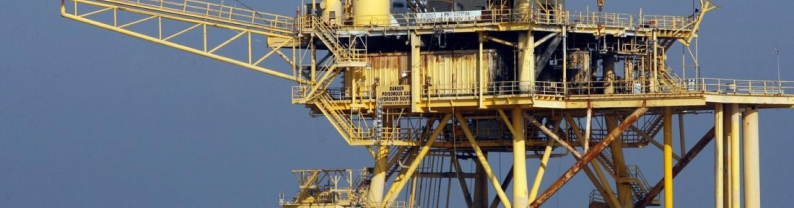
Oil prices stabilized on Thursday (February 12th), as the market reassigned a risk premium to US-Iran tensions despite US inventory data showing swelling domestic supplies. This movement confirms one thing: geopolitical headlines are still more "noise" than signals of a short-term surplus. As of 3:50 PM WIB, Brent was at $69.60/barrel (+0.29%) and WTI was at $64.83/barrel (+0.31%). The gains were moderate, but enough to keep prices near the psychological $70 level for Brent. From a geopolitical perspective, market focus is on the potential for escalation in the Middle East. Recent reports...
Japanese stocks fell for the first time this year after a record-breaking rally, as investors took profits and the market worried about the impact of new export restrictions from China. The Topix index closed down 0.8% to 3,511.34, and the Nikkei 225 fell 1.1% to 51,961.98. The automotive sector was the target of selling, with Toyota falling 2.7% (its worst since November 18), followed by Honda, Suzuki, Subaru, and Mazda. Machinery and heavy industry stocks such as Hitachi, Kawasaki Heavy, and Mitsubishi Heavy also fell. The trigger came after China imposed export controls to Japan on goods...
Hong Kong equities dipped 287 points, or 1.1%, to 26,431 in Wednesday morning trade, reversing rallies from the past three sessions as traders booked profits after the market touched a seven-week high. Broad sector weakness weighed, with tech and consumer stocks leading declines, ahead of China's December CPI and PPI data later this week and Hong Kong's forex reserves figures due today. Losses were limited, however, after China's central bank signaled its readiness to cut rates and lower banks' reserve requirements this new year to bolster the slowing economy. The PBoC also pledged stronger...
Japanese stocks opened lower in trading this morning, after the benchmark Nikkei index surged sharply the day before and briefly set a new record. This time, profit-taking has slightly restrained market movements. The Nikkei Stock Average fell around 0.3% to 52,363.15. This correction occurred shortly after the Nikkei hit a record high on Tuesday, so it's understandable that some investors chose to secure profits first. The biggest pressure came from the automotive and property sectors. Honda Motor shares fell 2.4%, while Sumitomo Realty & Development fell 2.6%, becoming the two main...
Asian stock markets weakened slightly on Wednesday after posting their best start to the year in history. The decline was driven by a decline in Japanese stocks amid escalating tensions with China. The Nikkei 225 index opened down 0.4%, dragging the MSCI Asia Pacific index down after four consecutive days of gains. The movement in the Asian region came after US stocks set another record. The S&P 500 index rose 0.6%, driven by optimism about the technology and artificial intelligence (AI) sectors. However, futures pointed to a weaker opening in Hong Kong, while the Japanese yen weakened...
US stocks extended their gains on Tuesday as expectations of multiple interest rate cuts by the Federal Reserve continued to support the outlook for earnings growth. The Dow rose 500 points and the S&P 500 rose 1% to new records, while the Nasdaq 100 added nearly 1%. Chip producers were sharply higher, gaining traction after having underperformed last session as investors continued to gauge risks of overvaluations in the sector. Micron, Texas Instruments, Analog Devises, and NXP rose between 6% and 8%. Healthcare also rebounded, with Eli Lilly and United adding 1% and 2%, respectively....
The Nikkei 225 Index jumped 1.32% to close at 52,518 while the broader Topix Index climbed 1.75% to 3,538 on Tuesday, building on gains in the previous session, with technology, financial and defense stocks leading the advance. Japanese shares also tracked overnight advances on Wall Street, as investors largely brushed aside geopolitical concerns following the US attack on Venezuela and the capture of President Nicolas Maduro. Technology stocks continued to outperform at the start of the year amid sustained enthusiasm for semiconductor and artificial intelligence related names. Notable...
The S&P 500 fluctuated on Friday (January 2), the first trading day of 2026, as gains in semiconductor stocks tried to keep the index steady. The benchmark index was last up 0.1%, while the Nasdaq Composite fell 0.1%. Both indexes had previously shown solid positive trends earlier in the day, with the S&P 500 and the tech-dominated Nasdaq trading up 0.7% and 1.5%, respectively, at their peaks. The Dow Jones Industrial Average rose 254 points, or 0.5%. Major chip stocks like Nvidia and Micron Technology rose during the session. Nvidia rose more than 1%, and Micron Technology jumped...
Britain's FTSE 100 index on Friday briefly surpassed the symbolic 10,000 points marker for the first time, extending gains after a bumper 2025. The FTSE 100 index — home to the U.K.'s most valuable blue-chip companies — ended the first trading day of the year 0.2% higher at 9,951, kicking off the year in positive territory. The index surpassed the 10,000 threshold at around 8:30 a.m. London time, before paring gains. Analysts told CNBC late last year that while the speed of the FTSE 100′s rise to the 10,000-point level was notable, investors should remain wary. The pan-European Stoxx 600...
 Gold rises in the early Asian trade. There's a broad commodities uptrend, driven by macro uncertainty, a weaker dollar, and persistent demand for "hard" assets, says Fawad Razaqzada, market analyst...
 Oil extended declines after OPEC+ agreed to a bigger-than-expected production increase next month, raising concerns about oversupply just as US tariffs fan fears about the demand outlook.
Brent...
Oil extended declines after OPEC+ agreed to a bigger-than-expected production increase next month, raising concerns about oversupply just as US tariffs fan fears about the demand outlook.
Brent...
 The Japanese Yen (JPY) weakened against its US counterpart and reversed part of Friday's recovery from the lowest level since July 23 following Bank of Japan (BOJ) Governor Kazuo Ueda's remarks....