


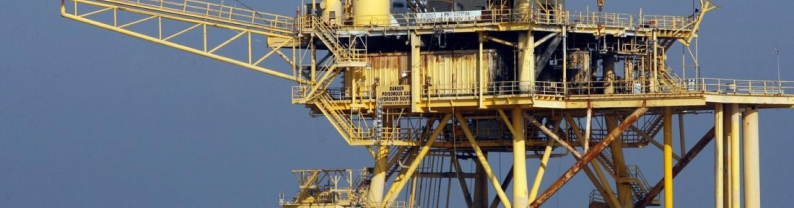
Oil prices stabilized on Thursday (February 12th), as the market reassigned a risk premium to US-Iran tensions despite US inventory data showing swelling domestic supplies. This movement confirms one thing: geopolitical headlines are still more "noise" than signals of a short-term surplus. As of 3:50 PM WIB, Brent was at $69.60/barrel (+0.29%) and WTI was at $64.83/barrel (+0.31%). The gains were moderate, but enough to keep prices near the psychological $70 level for Brent. From a geopolitical perspective, market focus is on the potential for escalation in the Middle East. Recent reports...
The Hang Seng Index weakened 1.2% to close at 26,559.95 in Hong Kong trading on Friday (February 6). This decline brought the Hang Seng Index to its lowest closing level since January 20, after a slight 0.1% gain the previous day a sign that the market was losing steam and entering a correction phase. Selling pressure was evident from the start of the session, with investors tending to reduce exposure to riskier assets. While no single factor was dominant, today's movement patterns suggest the market is resetting after the rally, particularly in large stocks that have been the index's...
Japanese stocks closed the week in the green after a Reuters survey signaled the Japanese economy is likely to return to growth in the fourth quarter of 2025. This optimism is supported by solid corporate investment and relatively stable consumer spending. The Nikkei 225 Index rose 0.8%, or 435.64 points, to close at 54,253.68. Market sentiment improved as market participants began to see opportunities for recovery after the previous period of weakness. According to a Reuters poll, Japan's real GDP is expected to grow 1.6% (annualized) in the fourth quarter, rebounding from a 2.3%...
The Hang Seng Index strengthened again on Thursday (February 5th), recording its third consecutive day of gains in Hong Kong trading. The index edged up 0.1%, or +37.92 points, to 26,885.24, indicating that market sentiment remained relatively well-maintained, although the gains were not aggressive. Today's buying activity appeared more selective. The majority of stocks rose, but the index's pace remained "slow" as some investors preferred to wait for the next catalyst whether from global interest rates, geopolitical headlines, or capital flows into specific sectors in Asia. Among...
Japanese stocks weakened ahead of this weekend's snap lower house election, prompting market participants to adopt a defensive stance while awaiting political direction and a wave of corporate performance releases. Risk off sentiment emerged as investors reduced positions in volatility sensitive stocks, particularly the technology sector. At the close of trading on Thursday, the Topix index fell slightly by around 0.1% to 3,652.41, while the Nikkei index fell further, by around 0.9% to 53,818.04. These movements reflect the market's "wait and see" approach ahead of election day. The...
The Hang Seng Index edged higher and closed at 26,847.32 in Hong Kong. Market sentiment remained stable, with gains in certain stocks managing to withstand pressure from other issuers. The largest contributor to the index's rise came from AIA Group Ltd., which rose 1.4%. Meanwhile, the stock with the biggest surge was Xinyi Glass Holdings Ltd., which surged 5.9%, providing additional support to the index's movement. Broadly speaking, the market was mostly in the green: 64 of 88 stocks rose, 23 fell, and the majority of sectors advanced led by the financial sector. Over the past 12 months,...
The Nikkei 225 index fell 0.78% to close at 54,293 on Wednesday, paring some of the previous session's gains. Market sentiment was dampened by disappointing earnings reports from several companies, while the Japanese stock market was also dragged down by the decline in technology stocks on Wall Street. Global pressure came from a sell off led by the technology sector in the United States. Investors appeared to be rotating out of technology stocks deemed overvalued and into more "cyclical" stocks, causing chip and technology stocks in Japan to lose steam. The biggest highlight came from...
The Hang Seng Index rose 0.2% to 26,834.77 in Hong Kong, stabilizing after the previous session's 2.2% decline. Today's gains were led by the financial sector, with three of the four sectors posting gains; of the 88 stocks, 61 rose and 27 fell. HSBC Holdings, the largest contributor to the index's gains, rose 3.1%. Meanwhile, CSPC Pharmaceutical Group, the stock with the largest surge, surged 8.1%. In terms of medium-term performance, the Hang Seng has risen about 33% in the past 52 weeks still below the 37% rise of the MSCI AC Asia Pacific Index over the same period. The index is...
Japanese stocks rallied strongly on Tuesday, with the Nikkei 225 surging 3.92% to close at 54,721, setting a new record high. This rally was led by technology stocks and the financial sector, which solidly lifted the index. Global sentiment also contributed: a rebound in precious metals boosted risk appetite, while surprisingly expansionary US factory data bolstered confidence that growth prospects and corporate profits remain quite solid. Domestically, the weakening yen also provided a boost, benefiting Japan's export-driven economy. In the technology and AI sectors, stocks led the gains:...
 Gold rises in the early Asian trade. There's a broad commodities uptrend, driven by macro uncertainty, a weaker dollar, and persistent demand for "hard" assets, says Fawad Razaqzada, market analyst...
 Oil extended declines after OPEC+ agreed to a bigger-than-expected production increase next month, raising concerns about oversupply just as US tariffs fan fears about the demand outlook.
Brent...
Oil extended declines after OPEC+ agreed to a bigger-than-expected production increase next month, raising concerns about oversupply just as US tariffs fan fears about the demand outlook.
Brent...
 The Japanese Yen (JPY) weakened against its US counterpart and reversed part of Friday's recovery from the lowest level since July 23 following Bank of Japan (BOJ) Governor Kazuo Ueda's remarks....