


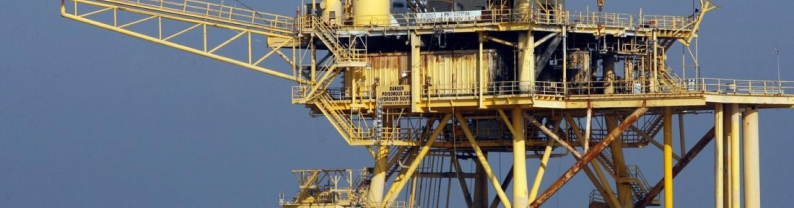
Oil prices stabilized on Thursday (February 12th), as the market reassigned a risk premium to US-Iran tensions despite US inventory data showing swelling domestic supplies. This movement confirms one thing: geopolitical headlines are still more "noise" than signals of a short-term surplus. As of 3:50 PM WIB, Brent was at $69.60/barrel (+0.29%) and WTI was at $64.83/barrel (+0.31%). The gains were moderate, but enough to keep prices near the psychological $70 level for Brent. From a geopolitical perspective, market focus is on the potential for escalation in the Middle East. Recent reports...
Hong Kong stocks edged higher in Wednesday morning trading. The index rose around 32 points, or 0.1%, to 26,518, attempting to break a downtrend that had lasted four consecutive sessions. This small increase followed gains in US stock futures, although Wall Street just recorded its deepest daily decline since October 10. Global sentiment was again volatile after President Donald Trump revived tariff threats against Europe, sparking concerns about market volatility. Hong Kong's gains were led by technology and consumer stocks, in line with mainland Chinese markets, which also tended to be...
Japanese stocks weakened this morning as investor sentiment remained fragile. The market was dragged down by renewed concerns after Donald Trump threatened tariffs against European allies, while Japanese government bond (JGB) yields remained volatile, making investors increasingly cautious. The Topix index fell 1.3% to 3,580.19 at 9:12 a.m. Tokyo time. Meanwhile, the Nikkei 225 fell 1.2% to 52,339.27, indicating widespread selling pressure since the opening. According to Kazunori Tatebe, chief strategist at Daiwa Asset Management, cyclical and high-beta stocks are potentially the most...
Hong Kong equities fell 172 points, or 0.7%, to 26,392 in early Tuesday trade, extending losses to a fourth straight session amid a sharp drop in U.S. futures after President Trump threatened to impose new tariffs on European countries opposing his proposal to buy Greenland. Meanwhile, mainland shares slipped after Monday's data showed the economy lost momentum in Q4 2025, growing by 4.5% yoy and marking the slowest pace in three years, reflecting persistently weak domestic demand despite ongoing policy support from Beijing. Still, losses were partly capped after the People's Bank of China...
Japanese stocks opened lower on Tuesday, as the market remained clouded by uncertainty surrounding US-Europe trade relations, which have escalated due to the Greenland issue. Risk-off sentiment has made investors more cautious, especially in sectors sensitive to global trade. The Nikkei Stock Average fell 1.3% to 52,888.66, with the greatest pressure coming from automotive and electronics stocks. These two sectors are typically the quickest to be impacted when the market begins to anticipate export and supply chain disruptions. On the stock market, Toyota Motor fell 2.0%, while Panasonic...
The Japanese stock market weakened after rising sharply in recent sessions. This correction occurred as market participants began locking in profits, while investors' attention shifted to election details that are expected to determine the direction of Japanese economic policy. The Nikkei Stock Average fell 0.7% to 53,535.91. This decline was primarily driven by the decline in automotive and electronics stocks, which combined, indicating the greatest pressure came from large-cap stocks. In the automotive sector, Toyota Motor fell 2.1%. Meanwhile, in the electronics group, Olympus fell...
Hong Kong shares were little changed in Friday morning deals, hovering around 26,165 after two sessions of declines, as weakness in property and financials was offset by gains in tech and consumer stocks. Traders assessed China's CPI data showing consumer prices flat in 2025, below the official target of around 2%, even as December inflation hit a near 3-year high of 0.8%. Meanwhile, producer prices in the country fell for the 39th straight month, although the pace of decline eased slightly. In the U.S., stock futures were steady ahead of key jobs data, while the Supreme Court prepared to...
Japanese stocks rallied in early trading, driven by a weaker yen and signs of a still-solid US economy. This increased buying interest in export-oriented stocks and sectors sensitive to interest rate fluctuations. The weaker yen makes Japanese exporters' earnings potentially more competitive when converted back into domestic currency. The USD/JPY pair was at 156.89, up from 156.57 at the close of the Tokyo stock market on Thursday. Automotive stocks were the main driver of the rally, as a weaker yen generally benefits vehicle manufacturers. Honda Motor was recorded as having gained around...
Japanese stocks closed lower on Thursday after the latest data showed real wages fell in November 2025 at the fastest pace since January, mainly due to a drop in one-time bonus payments. Market sentiment was also weighed down as the weakening wages emphasized household challenges amid persistently high price pressures. The Nikkei 225 index fell 1.6%, or 844.72 points, to 51,117.26. This wage data shows that inflation continues to outpace income growth, adding to the complexity for the Bank of Japan, which plans to continue policy normalization and open up room for interest rate hikes this...
 Gold rises in the early Asian trade. There's a broad commodities uptrend, driven by macro uncertainty, a weaker dollar, and persistent demand for "hard" assets, says Fawad Razaqzada, market analyst...
 Oil extended declines after OPEC+ agreed to a bigger-than-expected production increase next month, raising concerns about oversupply just as US tariffs fan fears about the demand outlook.
Brent...
Oil extended declines after OPEC+ agreed to a bigger-than-expected production increase next month, raising concerns about oversupply just as US tariffs fan fears about the demand outlook.
Brent...
 The Japanese Yen (JPY) weakened against its US counterpart and reversed part of Friday's recovery from the lowest level since July 23 following Bank of Japan (BOJ) Governor Kazuo Ueda's remarks....