


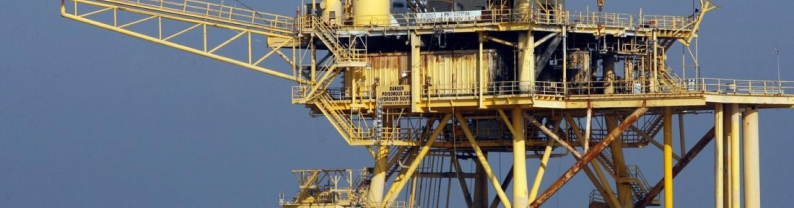
Oil prices stabilized on Thursday (February 12th), as the market reassigned a risk premium to US-Iran tensions despite US inventory data showing swelling domestic supplies. This movement confirms one thing: geopolitical headlines are still more "noise" than signals of a short-term surplus. As of 3:50 PM WIB, Brent was at $69.60/barrel (+0.29%) and WTI was at $64.83/barrel (+0.31%). The gains were moderate, but enough to keep prices near the psychological $70 level for Brent. From a geopolitical perspective, market focus is on the potential for escalation in the Middle East. Recent reports...
Gold price continues to attract safe-haven flows amid persistent worries about Trump's trade tariffs.Mostly upbeat US jobs data and inflationary concerns could allow the Fed to hold interest rates steady.A modest US Dollar strength might further contribute to capping the upside for the XAU/USD pair. Gold price (XAU/USD) kicks off the new week on a positive note and remains well within striking distance of the all-time high touched on Friday amid persistent worries about US President Donald Trump's trade policies. In fact, Trump said on Sunday that he will announce new 25% tariffs on all...
The Australian Dollar loses ground as Trump announces plans to impose a 25% tariff on all steel and aluminum imports.The AUD faced challenges as China's retaliatory tariffs on certain US exports have come into effect.The US Dollar received support as January's job report reinforced the cautious mood surrounding the Fed's policy outlook.The Australian Dollar (AUD) remains under pressure against the US Dollar (USD) for the third consecutive day on Monday, weighed down by escalating trade war concerns. The AUD/USD pair faces downward momentum after US President Donald Trump, speaking aboard Air...
The Japanese Yen is pressured by renewed worries about Trump's trade tariffs.A modest USD strength provides a goodish lift to the USD/JPY pair on Monday. The divergent BoJ-Fed policy expectations should help limit deeper JPY losses. The Japanese Yen (JPY) attracts some sellers at the start of a new week as US President Donald Trump's tariff threats revive fears that Japan would also be an eventual target of new US levies. Apart from this, a modest US Dollar (USD) strength, lifts the USD/JPY pair to the 152.00 mark during the Asian session. Against the backdrop of the upbeat US jobs report...
Oil prices ticked higher on Monday even as investors weighed U.S. President Donald Trump's latest tariff threat, this time on all steel and aluminium imports, which could dampen global economic growth and energy demand. Brent crude futures climbed 40 cents, or 0.5%, to $75.06 a barrel by 0133 GMT while U.S. West Texas Intermediate crude was at $71.38 a barrel, up 38 cents, or 0.5%. The market posted its third consecutive weekly decline last week on concerns about a global trade war. Trump said he will announce on Monday 25% tariffs on all steel and aluminium imports into the U.S. in...
GBP/USD softens to around 1.2390 in Monday's Asian session, losing 0.14% on the day. Trump said he will announce reciprocal tariffs on many countries this week.BoE's Bailey reiterated that a "gradual and careful approach to monetary policy remains appropriate."The GBP/USD pair weakens to near 1.239 during the Asian trading hours on Monday. The US Dollar climbs after US President Donald Trump promised reciprocal tariffs. The release of the US Consumer Price Index (CPI) for January will take center stage later on Wednesday. Trump said on Friday that he would announce reciprocal tariffs on...
The dollar index rose above 108.3 on Monday, extending its gains for a third consecutive session as new tariff threats from US President Donald Trump fueled concerns about inflation, potentially limiting the scope for rate cuts. Late on Sunday, Trump announced a blanket 25% tariff on all steel and aluminum imports, set to take effect later today, along with additional tariffs to be revealed on Tuesday or Wednesday. This announcement coincided with China's retaliatory tariffs on select US exports, set to take effect today. Meanwhile, German Chancellor Olaf Scholz stated that the EU was...
EUR/USD depreciates due to expected widening of interest rate gap between the United States and the Eurozone.President Trump announced plans to impose a 25% tariff on all steel and aluminum imports without naming the affected countries.German Chancellor Olaf Scholz warned that the European Union could respond "within an hour" if the US imposes the tariffs.EUR/USD continues its losing streak for the third consecutive session, trading near 1.0310 during Asian trading hours on Monday. The pair remains under pressure as investors anticipate a widening interest rate gap between the United States...
Gold price gains momentum to around $2,865 in Monday's early Asian session. Trump will announce reciprocal tariffs on many countries next week. China's central bank expanded its gold reserves for a third month in January. Gold price (XAU/USD) extends the rally to around $2,865 during the early Asian session on Monday. The precious metal edges higher as escalating trade tensions prompt investors to seek refuge in the safe-haven asset. US President Donald Trump said on Friday that he plans to announce reciprocal tariffs on many countries by Monday or Tuesday, which will take effect almost...
 Gold rises in the early Asian trade. There's a broad commodities uptrend, driven by macro uncertainty, a weaker dollar, and persistent demand for "hard" assets, says Fawad Razaqzada, market analyst...
 Oil extended declines after OPEC+ agreed to a bigger-than-expected production increase next month, raising concerns about oversupply just as US tariffs fan fears about the demand outlook.
Brent...
Oil extended declines after OPEC+ agreed to a bigger-than-expected production increase next month, raising concerns about oversupply just as US tariffs fan fears about the demand outlook.
Brent...
 The Japanese Yen (JPY) weakened against its US counterpart and reversed part of Friday's recovery from the lowest level since July 23 following Bank of Japan (BOJ) Governor Kazuo Ueda's remarks....