


Oil prices fell by nearly 3.5% on Monday as OPEC+ plans for another increase to oil output in November and the resumption of oil exports by Iraq's Kurdistan region via Turkey raised the global supply outlook.
Brent crude futures dropped $2.42, or 3.5%, to $67.71 a barrel by 11:33 a.m. ET (1533 GMT) after settling at their highest since July 31 on Friday. U.S. West Texas Intermediate crude was down $2.42, or 3.7%, at $63.32.
The Organization of the Petroleum Exporting Countries and its allies, together known as OPEC+, is likely to approve another increase to crude oil production at its meeting on Sunday.
The group is expected to confirm an increase of at least 137,000 barrels per day for November as rising oil prices encourage efforts to regain market share, said three sources.
However, OPEC+ has been pumping almost 500,000 bpd less than its targets, defying market expectations of a supply glut.
"With OPEC+ pivoting toward market share, fundamentals look softer, and oversupply concerns prevail," Rystad Energy's chief economist Claudio Galimberti said.
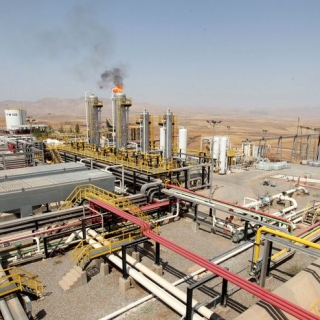
Crude oil flowed through a pipeline from the semi-autonomous Kurdistan region in northern Iraq to Turkey for the first time in 2-1/2 years on Saturday, Iraq's oil ministry said.
Crude oil flows from Kurdistan to Turkey's Ceyhan port are running at 150,000-160,000 bpd, two industry sources told Reuters on Monday.
The resumption is expected eventually to bring up to 230,000 bpd of crude back to international markets.
Monday's oil price decline followed weekly gains of more than 4% for both benchmarks last week after Ukrainian drone attacks on Russian energy infrastructure hit the country's fuel exports.
"Ukraine naturally smells blood here If anything Ukraine will likely double up on its strategic attacks on Russian refineries," SEB analysts said.
Russia pounded Kyiv and other parts of Ukraine early on Sunday in one of the most sustained attacks on the capital since Russia's invasion in 2022.
U.S. President Donald Trump also hosted Israeli Prime Minister Benjamin Netanyahu for pivotal talks on Monday to press him to back a Gaza peace proposal aimed at ending a nearly two-year-old war that has seen Israel face growing international isolation.
Source: Investing.com
Oil prices were little changed in Asian trading on Thursday after US President Donald Trump backed down from a threat to impose tariffs on European countries over Greenland. This decision helped ease ...
Oil prices rose on Tuesday, supported by a combination of supply disruptions from Kazakhstan, improved global economic growth projections, and a weakening US dollar, making dollar-denominated oil chea...
Oil traded in a tight range on Thursday after two straight sessions of losses, as markets digested a sharper US push to shape Venezuela's crude flows—alongside fresh tanker seizures tied to sanctions....
Oil prices edged higher as the market digested the United States' latest moves regarding Venezuela. WTI held steady at US$56/barrel after a sharp drop, while Brent remained below US$60/barrel. This s...
Brent crude prices sank in volatile trading on Wednesday after U.S. President Donald Trump said Venezuela will supply tens of millions of barrels of oil to Washington. Oil prices were nursing losses ...
Gold prices briefly caused a stir after hitting a new record, but then slowed. The main trigger: US President Donald Trump withheld the threat of tariffs on Europe and claimed there was a "framework" for a future agreement on Greenland. This calmer...
Oil prices were little changed in Asian trading on Thursday after US President Donald Trump backed down from a threat to impose tariffs on European countries over Greenland. This decision helped ease geopolitical tensions and improve market...
The Nikkei 225 Index climbed 1.73% to close at 53,689, while the broader Topix Index rose 0.74% to 3,616 on Thursday, snapping a five-day losing streak as Japanese shares were lifted by a strong rally in chip and artificial intelligence related...