


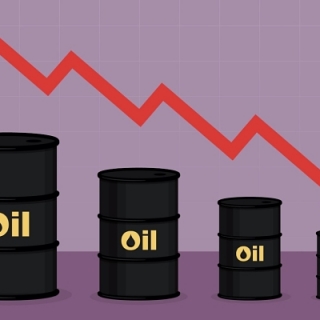
Oil prices fell 1.5% on Tuesday, boosted by concerns about a supply glut after Iranian and U.S. delegates made some progress in their talks and expectations that OPEC+ will decide to raise output at a meeting later this week.
Brent crude futures were down 99 cents, or 1.5%, at $63.73 a barrel by 1457 GMT. U.S. West Texas Intermediate crude was down $1.02, or about 1.7%, at $60.48 a barrel.
The Organization of the Petroleum Exporting Countries and its allies, known as OPEC+, are not expected to change policy at a meeting on Wednesday.
However, another meeting on Saturday is likely to agree on a further accelerated oil output increase for July, three delegates from the group told Reuters.
Meanwhile, Iranian and U.S. delegates concluded a fifth round of talks in Rome last week. Despite limited signs of progress, there are many sticking points, most notably Iran's uranium enrichment.
If nuclear talks between the U.S. and Iran fail, it could mean further sanctions on Iran, which would limit Iranian oil supplies, while any resolution could add Iranian supplies to the market.
Supporting prices, U.S. President Donald Trump's decision to extend trade talks with the European Union until July 9 eased immediate concerns about tariffs that could hurt fuel demand. Wall Street opened higher on Tuesday as Trump's trade suspension was lifted.
Easing trade concerns were supportive, said UBS analyst Giovanni Staunovo, adding that price gains remained limited until it was clear what OPEC+ would decide on Saturday.
The dollar strengthened on Tuesday as the yen came under pressure from a sharp drop in Japanese long-term bond yields, while investors took comfort in Trump's decision to hold off on higher tariffs on the European Union. (alg)
Source: Reuters
Oil prices stabilized on Thursday (February 12th), as the market reassigned a risk premium to US-Iran tensions despite US inventory data showing swelling domestic supplies. This movement confirms one ...
Oil prices rose on Wednesday (February 11th), supported by a combination of geopolitical risk premiums from US-Iran tensions and more solid Asian demand signals particularly from India which helped ea...
Oil remained in the green zone on Tuesday (February 10th), as the market refused to abandon the Middle East risk premium. As of 13:07 GMT (20:07 WIB), Brent rose +0.4% to $69.32/barrel, while WTI rose...
Oil prices fell about 1% on Monday as concerns about conflict in the Middle East eased slightly. The market calmed after the US and Iran agreed to resume talks on Tehran's nuclear program, reducing fe...
Oil prices moved slightly higher in a volatile session on Friday, as investors assessed the direction of nuclear negotiations between the United States and Iran. Price movements appeared sensitive to ...
Oil prices stabilized on Thursday (February 12th), as the market reassigned a risk premium to US-Iran tensions despite US inventory data showing swelling domestic supplies. This movement confirms one thing: geopolitical headlines are still more...
Gold prices weakened slightly on Thursday (February 12th), as more solid US employment data reduced market confidence in an imminent Federal Reserve interest rate cut. The strong employment data prompted market participants to shift expectations of...
The Hang Seng Index reversed its downward trend in Hong Kong on Thursday (February 12th), weakening by around 0.9% to around 27,000 after a strong session earlier. This decline halted the momentum of the short term rally, as investors began to...