


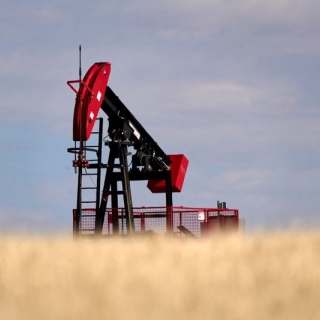
West Texas Intermediate (WTI), the US crude oil benchmark, is trading around $72.95 during the early Asian session on Wednesday. The WTI price edges higher to a two-week high amid the escalating geopolitical tensions in the Middle East.
The latest US sanctions imposed on the Russian oil industry in January raised concerns about Russian and Iranian oil supplies, boosting the black gold price. "With the U.S. bearing down on Iranian exports and sanctions still biting into Russian flows, Asian crude grades remain firm and underpin the rally from yesterday," PVM oil analyst John Evans said.
Additionally, the rising Middle East geopolitical risks contribute to the WTI's upside. Israeli Prime Minister Benjamin Netanyahu said that if Hamas did not release Israeli hostages by noon on Saturday, a fragile ceasefire in Gaza would end. These remarks came after US President Donald Trump urged on Monday that Hamas free all prisoners by noon Saturday or he would consider canceling the Israel-Hamas ceasefire and "let hell break out.
US crude inventories rose sharply last week, which might cap the upside for the WTI. The American Petroleum Institute (API) weekly report showed crude oil stockpiles in the United States for the week ending February 7 climbed by 9.043 million barrels, compared to a rise of 5.025 million barrels in the previous week. The market consensus estimated that stocks would increase by 2.8 million barrels.
On Monday, Trump raised tariffs on steel and aluminium imports to the United States to 25% "without exceptions or exemptions." Analysts believe that tariff policies by the Trump administration could be inflationary and put further pressure on the Fed to keep interest rates elevated. This, in turn, could lift the Greenback and drag the USD-denominated commodity price lower.(Cay)
Source: Fxstreet
Oil prices were little changed in Asian trading on Thursday after US President Donald Trump backed down from a threat to impose tariffs on European countries over Greenland. This decision helped ease ...
Oil prices rose on Tuesday, supported by a combination of supply disruptions from Kazakhstan, improved global economic growth projections, and a weakening US dollar, making dollar-denominated oil chea...
Oil traded in a tight range on Thursday after two straight sessions of losses, as markets digested a sharper US push to shape Venezuela's crude flows—alongside fresh tanker seizures tied to sanctions....
Oil prices edged higher as the market digested the United States' latest moves regarding Venezuela. WTI held steady at US$56/barrel after a sharp drop, while Brent remained below US$60/barrel. This s...
Brent crude prices sank in volatile trading on Wednesday after U.S. President Donald Trump said Venezuela will supply tens of millions of barrels of oil to Washington. Oil prices were nursing losses ...
Gold prices briefly caused a stir after hitting a new record, but then slowed. The main trigger: US President Donald Trump withheld the threat of tariffs on Europe and claimed there was a "framework" for a future agreement on Greenland. This calmer...
Oil prices were little changed in Asian trading on Thursday after US President Donald Trump backed down from a threat to impose tariffs on European countries over Greenland. This decision helped ease geopolitical tensions and improve market...
The Nikkei 225 Index climbed 1.73% to close at 53,689, while the broader Topix Index rose 0.74% to 3,616 on Thursday, snapping a five-day losing streak as Japanese shares were lifted by a strong rally in chip and artificial intelligence related...