


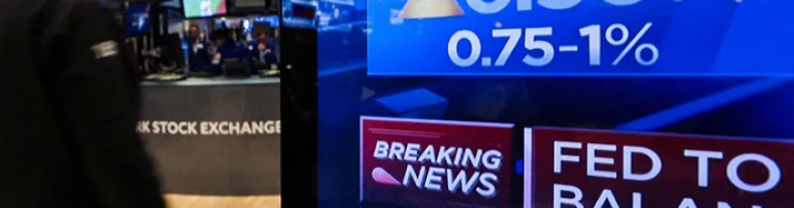
Stephen Miran, a Federal Reserve governor whose term ends at the end of January, said Thursday that he is looking for 150 basis points of interest-rate cuts this year to boost the U.S. labor market. Miran told Bloomberg Television's Surveillance program that Fed officials had room to further reduce rates given his view that underlying inflation was likely running at 2.3%. "I'm looking for about a point and a half of cuts. A lot of that is driven by my view of inflation," Miran said. "Underlying inflation is running within noise of our target, and that's a good indication of where overall...
The Reserve Bank of Australia (RBA) decided to maintain the cash rate at its current level following its November policy meeting. The RBA assessed that despite improving financial conditions, inflationary pressures remain in the economy, particularly with recovering private demand and a slightly tighter labor market. The RBA Board also recognized that the full impact of the previous rate cut had not yet been fully felt, choosing to remain cautious and update its outlook based on evolving data. The RBA also emphasized the importance of monitoring developments in the global economy, financial...
Federal Reserve Bank of Dallas President Lorie Logan said she does not support the U.S. central bank's decision to cut interest rates this week and will likely consider it appropriate to keep rates unchanged at its next meeting because inflation remains too high. "I don't see a need to cut rates this week. And I would find it difficult to cut rates again in December unless there is clear evidence that inflation will fall more quickly than expected or that the labor market will cool more rapidly," Logan said Friday in prepared remarks for an event in Dallas. Fed officials cut their...
The Federal Reserve is shifting from the driving seat back to the back seat, moving to data dependence just as it faces a data blackout due to the government shutdown. Despite these challenges, Morgan Stanley believes rate cuts in December and January remain on the table as the softer labor market will continue to drive monetary policy. The shutdown has suspended several official data releases, including critical jobs reports, leaving the Fed to rely more on market signals and private sector data. "The Fed is effectively flying blind for now," Morgan Stanley economists said in a recent...
At the post-meeting press conference, Fed Chair Jerome Powell explained why policymakers had decided to lower the Federal Funds Target Range (FFTR) to 3.75%–4.00% after the October meeting and took questions from reporters about the move. Chief Powell's press conference takeawaysData available suggests the outlook for employment and inflation has not changed much since the September meeting. Prior to shutdown, data showed the economy may be on a firmer trajectory. Shutdown will weigh on economic activity while it persists and should reverse when it ends. Labour demand has clearly...
The Federal Reserve lowered the federal funds rate by 25 bps to a target range of 3.75%–4.00% at its October 2025 meeting, in line with market expectations. The move followed a similar cut in September, bringing borrowing costs to their lowest level since 2022. Policymakers cited increasing downside risks to employment in recent months while inflation has moved up since earlier in the year and remains somewhat elevated. Governor Miran preferred to lower the target range for the federal funds rate by 50bps and Governor Schmid dissented in favor of holding rates steady. In addition, the...
 Bank of Japan (BOJ) Governor Kazuo Ueda stated that achieving 2% inflation is getting closer, although real inflation remains low. Ueda emphasized that the BOJ will continue to raise interest rates...
 The Reserve Bank of Australia (RBA) maintained its cash rate at 4.1% during its April meeting, holding borrowing costs unchanged after slashing 25 bps in the February meeting, aligning with market...