


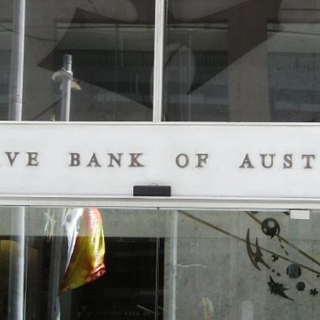
The Reserve Bank of Australia (RBA) decided to maintain the cash rate at its current level following its November policy meeting. The RBA assessed that despite improving financial conditions, inflationary pressures remain in the economy, particularly with recovering private demand and a slightly tighter labor market. The RBA Board also recognized that the full impact of the previous rate cut had not yet been fully felt, choosing to remain cautious and update its outlook based on evolving data.
The RBA also emphasized the importance of monitoring developments in the global economy, financial markets, domestic demand trends, and the inflation outlook. Despite increasing uncertainty about the economic outlook, the Board remains focused on its mandate to achieve price stability and full employment. This decision demonstrates that despite the recovery, the RBA remains vigilant about potential risks that could impact the Australian economy going forward. (az)
Source: Newsmaker.id
Stephen Miran, a Federal Reserve governor whose term ends at the end of January, said Thursday that he is looking for 150 basis points of interest-rate cuts this year to boost the U.S. labor market. ...
Federal Reserve Vice Chair for Supervision Michelle Bowman outlined significant changes to bank supervision and regulation during a speech at the California Bankers Association Bank Presidents Seminar...
Further changes to the Federal Reserve's short-term interest rate will need to be "finely tuned" to incoming data given the risks to both the U.S. central bank's employment and inflation goals, Richmo...
Richmond Federal Reserve Bank President Tom Barkin said the monetary policy outlook remains in a fragile balance given the conflicting pressures of rising unemployment and persistently high inflation....
The US Federal Reserve agreed to cut interest rates at its December meeting only after a highly nuanced debate about the current risks facing the US economy, according to minutes from the two-day meet...
Oil prices stabilized on Thursday (February 12th), as the market reassigned a risk premium to US-Iran tensions despite US inventory data showing swelling domestic supplies. This movement confirms one thing: geopolitical headlines are still more...
Gold prices weakened slightly on Thursday (February 12th), as more solid US employment data reduced market confidence in an imminent Federal Reserve interest rate cut. The strong employment data prompted market participants to shift expectations of...
The Hang Seng Index reversed its downward trend in Hong Kong on Thursday (February 12th), weakening by around 0.9% to around 27,000 after a strong session earlier. This decline halted the momentum of the short term rally, as investors began to...