


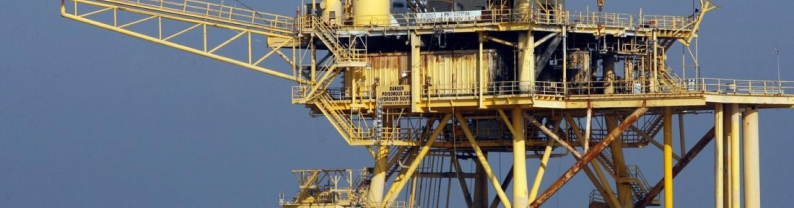
Oil prices stabilized on Thursday (February 12th), as the market reassigned a risk premium to US-Iran tensions despite US inventory data showing swelling domestic supplies. This movement confirms one thing: geopolitical headlines are still more "noise" than signals of a short-term surplus. As of 3:50 PM WIB, Brent was at $69.60/barrel (+0.29%) and WTI was at $64.83/barrel (+0.31%). The gains were moderate, but enough to keep prices near the psychological $70 level for Brent. From a geopolitical perspective, market focus is on the potential for escalation in the Middle East. Recent reports...
EUR/USD moves little as traders adopt caution ahead of Eurozone GDP and US Retail Sales data due on Friday.Eurozone GDP may remain consistent at 0.9% growth YoY in Q4, as expected.US Retail Sales are forecasted to contract by 0.1% MoM in January, following a previous increase of 0.4%.EUR/USD holds steady around 1.0460 during Asian trading hours on Friday, following three consecutive sessions of gains. The pair strengthened after US President Donald Trump delayed the implementation of reciprocal tariffs. Meanwhile, the US Dollar (USD) weakens amid declining US Treasury yields, despite ongoing...
The US Dollar Index depreciated following Trump's decision to delay the implementation of reciprocal tariffs.US Retail Sales are forecasted to contract by 0.1% MoM in January, following a previous increase of 0.4%.The Greenback may gain ground as US Core PPI inflation has increased the odds of the Fed delaying rate cuts.The US Dollar Index (DXY), which tracks the US Dollar's (USD) performance against six major currencies, remains stable after losses in the previous session. At the time of writing, the DXY hovers around 107.00, while yields on 2-year and 10-year US Treasury bonds stand at...
The USD/CHF pair gains ground to around 0.9045 during the early European session on Friday. The renewed US Dollar (USD) demand provides some support to the pair. However, the safe-haven flows amid the uncertainty and geopolitical risks might cap the upside of USD/CHF. The hotter-than-expected US Producer Price Index (PPI) reinforced expectations that the US Federal Reserve (Fed) will keep interest rates for an extended period. Additionally, Fed Chair Jerome Powell highlighted that the Fed is in no rush to cut interest rates due to continued strength in the labor market and solid economic...
GBP/USD remains steady around 1.2560 during the Asian hours on Friday following gains in the previous session. The pair appreciated as US President Donald Trump delayed the implementation of reciprocal tariffs. Additionally, the US Dollar (USD) weakens amid falling US yields across the curve, despite ongoing concerns about a global trade war. The US Dollar Index (DXY), which measures the US Dollar's value against six major currencies, trades around 107.00 with 2-year and 10-year yields on US Treasury bonds standing at 4.31% and 4.53%, respectively, at the time of writing. Core PPI...
Silver price (XAG/USD) trades in positive territory for the third consecutive day near $32.50 during the Asian session on Friday. The growing concerns about US President Donald Trump's tariff policies continue to underpin the white metal. Traders brace for the US Retail Sales for January, which are due later on Friday. US President Donald Trump promised to target countries that charge tax on US imports by matching them with a reciprocal tariff. Late Thursday, Trump ordered his administration to start study duties by early April, prompting fears of a global trade war, boosting the safe-haven...
Gold price (XAU/USD) resumes rally during the Asian trading hours on Friday. The growing concerns about US President Donald Trump's tariff plans provide some support to the precious metal. Additionally, a decline in US bond yields across the curve contributes to the yellow metal's upside. However, the expectation that the US Federal Reserve (Fed) will stick to its hawkish stance and hold the interest rate higher for longer could drag the non-yielding yellow metal lower. Traders will keep an eye on the release of US Retail Sales for January, which is due later on FridayGold price edges...
USD/JPY remains steady after registering losses in the previous session, trading around 152.60 during the Asian hours on Friday. The pair faced challenges following US President Donald Trump's decision to postpone the implementation of reciprocal tariffs. Additionally, the US Dollar (USD) weakens amid falling US yields across the curve, despite ongoing concerns about a global trade war. Investors now await the release of US Retail Sales data later in the day. The US Dollar Index (DXY), which measures the US Dollar's value against six major currencies, extends its losses for the fourth...
The Australian Dollar (AUD) strengthens for the second consecutive day on Friday, driven by US President Donald Trump's decision to postpone the implementation of reciprocal tariffs. Additionally, the AUD/USD pair appreciates as the US Dollar (USD) weakens amid falling US yields across the curve, despite ongoing concerns about a global trade war. Investors now await the release of US Retail Sales data later in the day. The AUD may face headwinds as expectations of a Reserve Bank of Australia (RBA) rate cut remain intact following fresh inflation outlook data. Consumer inflation expectations...
 Gold rises in the early Asian trade. There's a broad commodities uptrend, driven by macro uncertainty, a weaker dollar, and persistent demand for "hard" assets, says Fawad Razaqzada, market analyst...
 Oil extended declines after OPEC+ agreed to a bigger-than-expected production increase next month, raising concerns about oversupply just as US tariffs fan fears about the demand outlook.
Brent...
Oil extended declines after OPEC+ agreed to a bigger-than-expected production increase next month, raising concerns about oversupply just as US tariffs fan fears about the demand outlook.
Brent...
 The Japanese Yen (JPY) weakened against its US counterpart and reversed part of Friday's recovery from the lowest level since July 23 following Bank of Japan (BOJ) Governor Kazuo Ueda's remarks....