


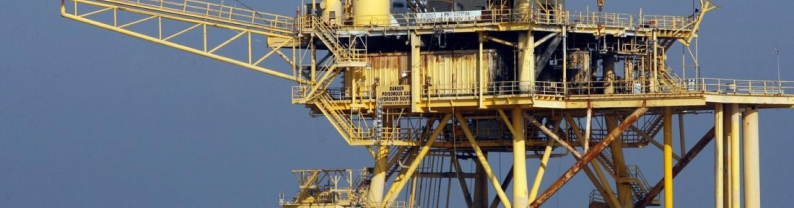
Oil prices stabilized on Thursday (February 12th), as the market reassigned a risk premium to US-Iran tensions despite US inventory data showing swelling domestic supplies. This movement confirms one thing: geopolitical headlines are still more "noise" than signals of a short-term surplus. As of 3:50 PM WIB, Brent was at $69.60/barrel (+0.29%) and WTI was at $64.83/barrel (+0.31%). The gains were moderate, but enough to keep prices near the psychological $70 level for Brent. From a geopolitical perspective, market focus is on the potential for escalation in the Middle East. Recent reports...
The Australian Dollar (AUD) holds ground for the fourth consecutive day on Thursday. The AUD/USD pair gains ground as the US Dollar (USD) remains subdued amid improved risk sentiment, following another shift in US President Donald Trump's tariff strategy. The White House announced on Wednesday that President Trump is temporarily exempting automakers from newly imposed import tariffs on Mexico and Canada for one month. Additionally, Trump is considering excluding certain agricultural products from tariffs on Canada and Mexico, according to a Bloomberg reporter on X late Wednesday. Source:...
The Japanese yen traded near 149 per dollar on Thursday, staying close to its strongest levels in five months. The currency gained from a broad weakness in the dollar, which came under pressure from a strengthening euro and the fallout from President Donald Trump's tariffs. Trump granted tariff concessions for certain automakers, while his latest tariffs prompted retaliatory measures from the affected countries—both of which were bearish for the dollar. Domestically, Bank of Japan Deputy Governor Shinichi Uchida remarked this week that the central bank could raise interest rates further...
The dollar index fell to around 104 on Thursday, reaching its lowest level in four months, as a stronger euro and the ongoing fallout from President Donald Trump's tariffs weighed on the currency. Trump recently granted a one-month exemption for US automakers from his 25% tariffs on Canada and Mexico and expressed openness to further concessions. However, new US tariffs on Canada, Mexico, and China have led to retaliatory measures from those countries, raising concerns of an escalating trade war that could impede US economic growth. On the data front, traders are awaiting Friday's monthly...
Oil prices rose sharply in Asian trade on Thursday, rebounding from multi-year lows as the U.S. offering some concessions on recent tariffs helped lift risk appetite. But traders remained on edge over increased U.S. trade tariffs on China, Canada, and Mexico, as well as growing expectations of higher oil supplies, after the Organization of Petroleum Exporting Countries and allies (OPEC+) agreed to increase production this week. Hopes of more stimulus measures in top importer China offered some support to oil markets, although the country's economic outlook remained clouded by a brewing...
Gold is trading steadily in early Asian trade. Prices remain supported as investors continue to turn to the safe-haven asset as a hedge against uncertainty, given the continued global trade tensions, says Bas Kooijman, CEO and asset manager of DHF Capital S.A. in a note. However, if trade developments lead to inflationary pressures, it could prompt the Fed to remain cautious and hold rates for longer, which could limit gold's rally, Kooijman says. Geopolitical risks around the Russia-Ukraine conflict could fuel risk-off sentiment and sustain gold's upward price trend in the short term,...
GBP/USD hit the gas pedal and pumped out another strong session on Wednesday, lurching higher by another 0.85% and notching in a third straight session of firmly bullish gains. Pound markets are firmly recovering after weeks of uneasy risk appetite, pushing GBP/USD to 16-week highs. Despite warnings that the UK economy is overall weakening, Cable markets rallied following Wednesday's Monetary Policy Hearings from the Bank of England (BoE). According to BoE Governor Andrew Bailey, A modest uptick in inflation is expected despite weaker growth figures, causing markets to readjust their...
EUR/USD surged on Wednesday, climbing 1.75% and knocking on the 1.0800 handle as risk sentiment rises following yet another pivot from US President Donald Trump on his own tariff strategy. President Trump is once again pumping the brakes on his own trade strategy of threatening to impose stiff import taxes on his own citizens in order to punish other countries for a litany of Donald Trump's perceived slights. The European Central Bank (ECB) is set to trim interest rates by another 25 bps on Thursday, taking the Main Refinancing Operations Rate down to 2.65% and dropping its Rate on Deposit...
Oil held near the lowest level in six months as President Donald Trump's sweeping tariffs opened up trade wars on multiple fronts, raising concerns about the outlook for energy demand. West Texas Intermediate traded near $66 a barrel after losing more than 5% over the past four sessions. Brent closed below $70 on Wednesday. Trump is delaying some levies on automakers and considering exemptions for certain agriculture products, but still moving forward with reciprocal tariffs on April 2. Oil has tumbled by almost a fifth since mid-January as Trump's trade policies...
 Gold rises in the early Asian trade. There's a broad commodities uptrend, driven by macro uncertainty, a weaker dollar, and persistent demand for "hard" assets, says Fawad Razaqzada, market analyst...
 Oil extended declines after OPEC+ agreed to a bigger-than-expected production increase next month, raising concerns about oversupply just as US tariffs fan fears about the demand outlook.
Brent...
Oil extended declines after OPEC+ agreed to a bigger-than-expected production increase next month, raising concerns about oversupply just as US tariffs fan fears about the demand outlook.
Brent...
 The Japanese Yen (JPY) weakened against its US counterpart and reversed part of Friday's recovery from the lowest level since July 23 following Bank of Japan (BOJ) Governor Kazuo Ueda's remarks....