


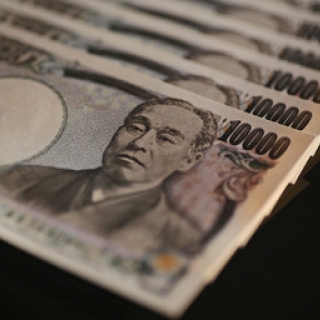
The Japanese yen is the worst-performing major currency against the US dollar throughout 2025, despite the Bank of Japan (BOJ) raising interest rates. Even with further tightening measures, the yen could remain in the "danger zone" that could trigger government intervention. The BOJ is expected to raise interest rates by a quarter percentage point on Friday, bringing the policy rate to a three-decade high of 0.75%.
Futures indicate the possibility of additional hikes of around 40 basis points next year, making the BOJ one of the most aggressive G10 central banks, alongside the Reserve Bank of New Zealand and the Reserve Bank of Australia. Investors will be closely watching BOJ Governor Kazuo Ueda's remarks for clues on whether further tightening is on the horizon.
However, a rate hike is unlikely to guarantee a yen recovery in 2026. Most major central banks are nearing the end of their monetary policy easing cycles, with the exception of the US Federal Reserve. If other central banks begin tightening policy next year, the gap with the BOJ could narrow rapidly, potentially keeping pressure on the yen high. (az)
Source: Newsmaker.id
The Japanese yen weakened to near 158.5 per dollar on Thursday, amid market concerns over the worsening fiscal outlook. The Bank of Japan (BOJ) began a two-day policy meeting, and traders remained war...
The USD/JPY pair weakened in Asian trading on Monday, hovering around 156.20 and briefly approaching 156.00. This weakening occurred after the Japanese Yen (JPY) strengthened, following signals from t...
The Japanese yen weakened slightly during the Asian session on Wednesday, as investors remained cautious while awaiting the Bank of Japan (BoJ) policy update. Market focus now turns to the two-day BoJ...
The USD/JPY pair weakened to around 155.10 at the start of the Asian session on Tuesday. The yen strengthened slowly as markets became increasingly confident that the Bank of Japan (BoJ) would raise i...
The Japanese yen (JPY) remains under pressure and is trending slightly lower against the US dollar in the Asian session on Friday. Investors are concerned about Japan's increasingly strained financial...
Oil prices stabilized on Thursday (February 12th), as the market reassigned a risk premium to US-Iran tensions despite US inventory data showing swelling domestic supplies. This movement confirms one thing: geopolitical headlines are still more...
Gold prices weakened slightly on Thursday (February 12th), as more solid US employment data reduced market confidence in an imminent Federal Reserve interest rate cut. The strong employment data prompted market participants to shift expectations of...
The Hang Seng Index reversed its downward trend in Hong Kong on Thursday (February 12th), weakening by around 0.9% to around 27,000 after a strong session earlier. This decline halted the momentum of the short term rally, as investors began to...