


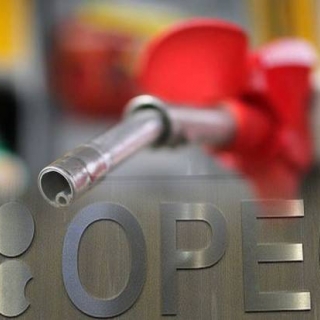
Oil prices fell more than 1% on Wednesday, settling at two-week lows on pressure from concerns of a possible global oil glut, but data showing signs of strong U.S. demand for fuel limited losses.
Brent crude futures closed 92 cents, or 1.43%, lower at $63.52 a barrel, while U.S. West Texas Intermediate crude settled 96 cents, or 1.59%, low at $59.60.
Oil prices fell following U.S. government data that showed an increase in crude inventories last week.
"A rebound in imports and subdued refining activity amid seasonal maintenance has encouraged a build to U.S. crude inventories," said Kpler lead Americas oil analyst Matt Smith.
U.S. STOCKS BUILD MORE THAN EXPECTED
U.S. crude stocks rose by 5.2 million barrels to 421.2 million barrels last week, the Energy Information Administration said, compared with analysts' expectations for a 603,000-barrel rise. [EIA/S]
However, signs of stronger-than-expected gasoline demand limited oil price losses. Gasoline inventories fell by 4.7 million barrels last week to 206 million barrels. Analysts had expected a 1.1 million-barrel draw.
Canadian Prime Minister Mark Carney's budget plan, unveiled on Tuesday, signalled that Canada could scrap a cap on oil and gas emissions, fuelling concerns over a potential supply glut.
"Canada could ditch their controversial oil and gas emissions strategy and unleash more oil," said Phil Flynn, senior market analyst with Price Futures Group.
The Organization of the Petroleum Exporting Countries and allied producers, a group known as OPEC+, agreed on Sunday to increase output by 137,000 barrels a day in December. It decided to pause further increases in the first quarter of 2026.
Kazakhstan's crude oil production, excluding gas condensate, declined 10% last month to 1.69 million barrels per day, still above the OPEC+ output quota, according to an industry source and Reuters calculations.
Russia's Black Sea port of Tuapse has suspended fuel exports, while its oil refinery halted crude processing after Sunday's Ukrainian drone attacks on its infrastructure, according to two industry sources and LSEG ship tracking data.
Source: Investing.com
Oil prices were little changed in Asian trading on Thursday after US President Donald Trump backed down from a threat to impose tariffs on European countries over Greenland. This decision helped ease ...
Oil prices rose on Tuesday, supported by a combination of supply disruptions from Kazakhstan, improved global economic growth projections, and a weakening US dollar, making dollar-denominated oil chea...
Oil traded in a tight range on Thursday after two straight sessions of losses, as markets digested a sharper US push to shape Venezuela's crude flows—alongside fresh tanker seizures tied to sanctions....
Oil prices edged higher as the market digested the United States' latest moves regarding Venezuela. WTI held steady at US$56/barrel after a sharp drop, while Brent remained below US$60/barrel. This s...
Brent crude prices sank in volatile trading on Wednesday after U.S. President Donald Trump said Venezuela will supply tens of millions of barrels of oil to Washington. Oil prices were nursing losses ...
Gold prices briefly caused a stir after hitting a new record, but then slowed. The main trigger: US President Donald Trump withheld the threat of tariffs on Europe and claimed there was a "framework" for a future agreement on Greenland. This calmer...
Oil prices were little changed in Asian trading on Thursday after US President Donald Trump backed down from a threat to impose tariffs on European countries over Greenland. This decision helped ease geopolitical tensions and improve market...
The Nikkei 225 Index climbed 1.73% to close at 53,689, while the broader Topix Index rose 0.74% to 3,616 on Thursday, snapping a five-day losing streak as Japanese shares were lifted by a strong rally in chip and artificial intelligence related...