


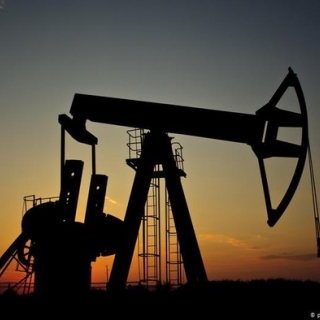
Oil prices fell sharply on Tuesday morning as concerns about a trade war between the United States and the European Union resurfaced, fueling fears of a decline in fuel demand. These tensions weighed on market sentiment, fearing they would hamper global economic activity. Brent crude fell 0.75% to $68.69 per barrel, while US WTI fell 0.76% to $66.69 per barrel. The August WTI contract expires today, while the more active September contract fell 0.82% to $65.41.
Priyanka Sachdeva, senior market analyst at Phillip Nova, said that demand concerns continue to mount as the market awaits a potential announcement of additional tariffs from US President Donald Trump ahead of the August 1 deadline. Furthermore, new US sanctions on Russian oil have added to tensions. Investors are also watching for potential retaliatory tariffs from the European Union, which could trigger further escalation.
Meanwhile, supply concerns are beginning to ease. Major producers such as OPEC and its allies have increased production, and the June 24 ceasefire between Israel and Iran has helped ease geopolitical risks. Saudi Arabian oil exports also reportedly rose to a three-month high in May, according to JODI data, indicating additional supply has entered the global market.
Despite pressure on the demand side, the weakening US dollar provided some support for oil prices, as buyers using other currencies were able to obtain oil at relatively cheaper prices. However, overall, concerns about slowing global growth due to trade conflicts dominated market sentiment, further depressing prices.
Source: Newsmaker.id
Oil prices stabilized on Thursday (February 12th), as the market reassigned a risk premium to US-Iran tensions despite US inventory data showing swelling domestic supplies. This movement confirms one ...
Oil prices rose on Wednesday (February 11th), supported by a combination of geopolitical risk premiums from US-Iran tensions and more solid Asian demand signals particularly from India which helped ea...
Oil remained in the green zone on Tuesday (February 10th), as the market refused to abandon the Middle East risk premium. As of 13:07 GMT (20:07 WIB), Brent rose +0.4% to $69.32/barrel, while WTI rose...
Oil prices fell about 1% on Monday as concerns about conflict in the Middle East eased slightly. The market calmed after the US and Iran agreed to resume talks on Tehran's nuclear program, reducing fe...
Oil prices moved slightly higher in a volatile session on Friday, as investors assessed the direction of nuclear negotiations between the United States and Iran. Price movements appeared sensitive to ...
Oil prices stabilized on Thursday (February 12th), as the market reassigned a risk premium to US-Iran tensions despite US inventory data showing swelling domestic supplies. This movement confirms one thing: geopolitical headlines are still more...
Gold prices weakened slightly on Thursday (February 12th), as more solid US employment data reduced market confidence in an imminent Federal Reserve interest rate cut. The strong employment data prompted market participants to shift expectations of...
The Hang Seng Index reversed its downward trend in Hong Kong on Thursday (February 12th), weakening by around 0.9% to around 27,000 after a strong session earlier. This decline halted the momentum of the short term rally, as investors began to...