


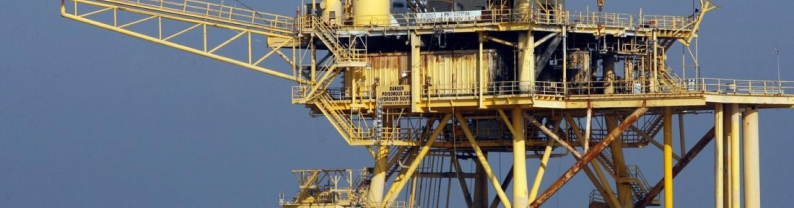
Oil prices rose slightly in trading on Tuesday (January 20) after better-than-expected Chinese economic data boosted demand optimism. Brent crude rose 19 cents (0.3%) to $64.13/barrel, while February WTI which expires today rose 25 cents (0.4%) to $59.69/barrel. The more active March WTI contract also edged higher to around $59.42/barrel. This strengthening was driven by news from China, the world's largest oil importer. The Chinese economy reportedly grew 5.0% through 2025, meeting the government's target. Refinery activity also increased, with refinery throughput rising 4.1% and crude oil...
Gold prices fell to around $4,080 per ounce on Thursday (October 23rd), marking a third consecutive day of decline after hitting a record high in recent weeks. This decline was triggered by market optimism about a possible trade deal between the US and China, as well as President Trump's conciliatory statements toward China, which prompted investors to shift away from gold as a safe-haven asset. Despite the decline, gold prices are still up around 55% year-to-date, supported by hopes that the Federal Reserve will cut interest rates two more times before the end of the year. On the other...
Silver prices fell sharply after plummeting more than 7% in the last two sessions, following the decline in gold prices. Currently, silver is weakening amid market concerns that the precious metal's rally has accelerated too quickly. Investors are also beginning to weigh the impact of US-China trade tensions and new sanctions against Russia, which have shaken global commodity markets.However, some analysts believe this pressure could be temporary. Industrial demand for silver—particularly for solar panels and electronic devices—remains high and has the potential to support prices in the...
The potential for a US-India deal that reduces Russian imports could shift India's demand to alternative grades (Middle East/US/Africa), thus increasing demand; reports of declining US crude stockpiles plus planned SPR replenishments are tightening the market; OPEC+ discipline is keeping supply tight; and the risk of supply disruptions (weather, geopolitics, logistics) is adding to the risk premium. Signs of a global surplus persist due to high non-OPEC production (US, Brazil, Guyana); the demand outlook is not yet solid in China/Europe (depending on PMIs and industry); fluctuating refinery...
Silver prices held below $49/oz after plunging about 7%-the deepest since 2011-and are now down approximately 10% from last week's record. The underlying cause is simple: massive profit-taking after a long year-long rally, so the rapid declines fueled each other. At the same time, risk appetite improved as US-China tensions eased somewhat and there was hope the US government shutdown would soon end. The market is also awaiting US inflation data on Friday for the final clue before the Fed's long-awaited interest rate cut next week. Looking ahead, silver's direction will be key to the US...
Gold was under pressure in the Asian session on Wednesday (October 22, 2025) as the US dollar strengthened and real Treasury yields remained high, increasing the opportunity cost of holding non-yielding assets. Risk sentiment also improved following easing US-China trade tensions and the prospect of an end to the US lockdown this week, which eroded demand for safe-haven assets. At the same time, the market readjusted expectations for a slower Fed rate cut after relatively solid US data, a combination that is usually negative for gold. After rallying to a new record, coordinated...