


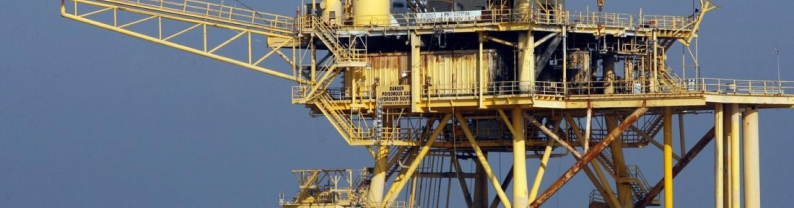
Oil prices stabilized on Thursday (February 12th), as the market reassigned a risk premium to US-Iran tensions despite US inventory data showing swelling domestic supplies. This movement confirms one thing: geopolitical headlines are still more "noise" than signals of a short-term surplus. As of 3:50 PM WIB, Brent was at $69.60/barrel (+0.29%) and WTI was at $64.83/barrel (+0.31%). The gains were moderate, but enough to keep prices near the psychological $70 level for Brent. From a geopolitical perspective, market focus is on the potential for escalation in the Middle East. Recent reports...
US stocks were lower on Thursday, extending the poor momentum this week as markets assessed the outlook on rates and retailers' earnings for hints on the strength of the consumer. The three main equity indices were around 0.4% down, with the Nasdaq 100 set to drop sharply this week after a tech selloff. FOMC minutes showed that most members saw inflation risks as greater than labor market risks, while policymakers showed a degree of concerns that inflation expectations could become unanchored. Tech giants remained broadly under pressure as markets showed skepticism that AI services will...
The Hang Seng Index weakened 61 points, or 0.24%, to close at 25,105 on Thursday (August 21st), reversing earlier gains after a sluggish start. Sentiment weakened as US index futures weakened, following the FOMC minutes that signaled a hawkish stance amid persistent inflation risks ahead of the Fed's Jackson Hole symposium. Chairman Powell also expressed reluctance to cut interest rates, warning of tariff-driven price pressures this summer. Meanwhile, Reuters reported that China is considering allowing yuan-backed stablecoins to encourage global currency adoption, a potential shift in its...
European equities were little changed on Thursday as investors awaited updates from the Federal Reserve's Jackson Hole symposium for clues on the path of monetary policy. The pan-European STOXX 600 index opens was flat as of 0704 GMT, while most major bourses were mixed. Central bankers from around the world will be at the event, and the focus will remain on Fed Chair Jerome Powell's last speech at the summit in the position for hints of possible rate cuts this year. Also on the slate later in the day are flash purchasing managers' index (PMI) data for August for the euro zone, France,...
Japanese stocks dropped for a third day, with investors remaining on the sidelines as central bankers gather in Jackson Hole, Wyoming for an eagerly awaited annual symposium. Topix Index fell 0.5% to 3,082.95 as of 3:31 p.m. Tokyo time Out of 1,679 stocks in the index, 694 rose and 911 fell, while 74 were unchanged Nikkei declined 0.6% to 42,610.17 Auto and pharmaceutical shares slumped, while profit-taking pressured sectors such as construction. Meanwhile, some AI-related stocks including Advantest were picked up by investors after Wednesday's selloff to gain...
Hong Kong shares were little changed on Thursday morning, holding near 25,174 after a modest gain in the previous session. Investors digested minutes from the latest FOMC meeting, which struck a hawkish tone amid lingering inflation risks. Meanwhile, U.S. President Trump reportedly called on Fed Governor Lisa Cook to resign over allegations of providing false information to secure favorable mortgage terms. In China, equities extended gains as funds rotated into stocks despite ongoing U.S. trade tensions, while Beijing pressed ahead with curbs on excessive competition. Sector performance...
Japanese stocks are lower in early trade after U.S. tech stock selling continued overnight. Pharmaceutical and auto stocks are leading the declines. Daiichi Sankyo is down 5.6% and Honda Motor is 1.7% lower. USD/JPY is at 147.37, compared with 147.23 as of Wednesday's Tokyo stock market close. Investors are watching for any developments related to the war in Ukraine and domestic politics. The Nikkei Stock Average is down 0.2% at 42790.90. Source: Marketwatch
Asia-Pacific markets mostly rose as investors assessed the four-day losing streak for the S&P 500, led by declines in tech stocks. Investors in the region are awaiting India's HSBC Composite flash purchasing managers' index reading for August, which provides an early snapshot of the performance of the private sector economy, expected later in the day. Economists polled by Reuters expect it to come in at 60.5, compared with 61.1 in the month before. Japan's Nikkei 225 was down 0.21% in early trade, while the broader Topix index ticked down 0.4%. In South Korea, the Kospi index rose...
US equities fell on Wednesday as skepticism on grounds for future AI returns pressured tech companies, while markets assessed earnings from retailers and FOMC minutes. The S&P 500 and the Nasdaq 100 lost 0.5% and 1%, respectively, while the Dow was slightly lower. Magnificent 7 companies fell further for a second session, coinciding with research noting that most AI firms will not be profitable. Nvidia, Meta, and Alphabet were over 1% down. In turn, retail earnings were mixed. Target slumped 10% as it revealed a new CEO, despite beating earnings, while Estee Lauder lost 4% on a...
 Gold rises in the early Asian trade. There's a broad commodities uptrend, driven by macro uncertainty, a weaker dollar, and persistent demand for "hard" assets, says Fawad Razaqzada, market analyst...
 Oil extended declines after OPEC+ agreed to a bigger-than-expected production increase next month, raising concerns about oversupply just as US tariffs fan fears about the demand outlook.
Brent...
Oil extended declines after OPEC+ agreed to a bigger-than-expected production increase next month, raising concerns about oversupply just as US tariffs fan fears about the demand outlook.
Brent...
 The Japanese Yen (JPY) weakened against its US counterpart and reversed part of Friday's recovery from the lowest level since July 23 following Bank of Japan (BOJ) Governor Kazuo Ueda's remarks....