


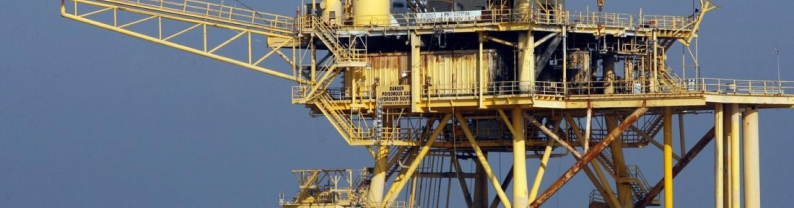
Oil prices stabilized on Thursday (February 12th), as the market reassigned a risk premium to US-Iran tensions despite US inventory data showing swelling domestic supplies. This movement confirms one thing: geopolitical headlines are still more "noise" than signals of a short-term surplus. As of 3:50 PM WIB, Brent was at $69.60/barrel (+0.29%) and WTI was at $64.83/barrel (+0.31%). The gains were moderate, but enough to keep prices near the psychological $70 level for Brent. From a geopolitical perspective, market focus is on the potential for escalation in the Middle East. Recent reports...
The Nikkei 225 was little changed, closing at 49,303, while the broader Topix Index edged up 0.08% to 3,341 on Tuesday, as markets stabilized after a 1.89% drop in the previous session. Market sentiment improved after Bank of Japan Governor Kazuo Ueda said the BOJ would weigh the risks of rate increases while keeping financial conditions accommodative even after a potential hike. Sentiment was further boosted by Japanese Finance Minister Satyuki Katayama, who said there was no gap between the government and the Bank of Japan in their assessments of the economy. Gains in financials,...
Japanese stocks closed slightly lower on Tuesday, with the Nikkei 225 index down just 0.01%. The main pressure came from the Paper & Pulp, Transportation, and Communications sectors, which tended to weaken. Although the index appeared sluggish, the market was actually quite lively under the surface: the number of declining stocks far outnumbered the advancing ones, at 2,535 to 1,035, while the remaining 256 stocks remained unchanged. On the other hand, several leading stocks still stole the show. Nippon Electric Glass Co., Ltd. surged nearly 10% to 6,335.00, hitting a five-year high....
Asia Pacific stock markets opened cautiously on Tuesday morning, December 2, 2025. Sentiment remained weighed down by the global downturn in early December, the sharp fall in the crypto market, and concerns about rising bond yields, which have made investors more risk-averse. The benchmark Asian stock index had previously fallen around 0.3%, led by a decline in the Japanese market, after a hawkish statement from the Bank of Japan (BOJ) sparked concerns about faster policy tightening. This morning's focus remained on Japan. The main Japanese stock index was trading around 49,500 points and...
The Japanese stock market rebounded at the start of trading, after being pressured the previous day due to concerns about a short-term interest rate hike by the Bank of Japan (BOJ). This time, the banking and insurance sectors were the main drivers of the rally. Mizuho Financial Group shares rose 2.6%, while Dai-ichi Life Holdings gained 2.0%, indicating a recovery in investor buying interest. In the foreign exchange market, exchange rate movements were relatively calm. The USD/JPY pair was around 155.52, little changed compared to Monday's Tokyo stock market close of 155.64. The yen's...
US stocks weakened slightly in early December, with the S&P 500 and Nasdaq each falling about 0.4% and the Dow Jones Industrial Average falling about 0.7%. All three benchmark indexes rebounded from deeper declines earlier in the session due to continued volatility. Caution dominated the market ahead of this week's key economic data releases, including the delayed September PCE report, all before next week's FOMC decision. Bitcoin fell more than 6% to trade below 86,000, extending last month's decline below 90,000 and weighing on broader risk sentiment, dragging down crypto-related...
The STOXX 50 closed little changed at 5,669, while the STOXX 600 fell 0.2% to 575 on the first trading day of December, as traders started the month cautiously after a volatile November that yielded only modest gains for both indices. Airbus shares plunged 5.7%, after falling more than 10% intraday, following reports of a new quality issue affecting dozens of A320 family aircraft. This development came shortly after Airbus announced that most of the other aircraft affected by the software glitch had received the necessary modifications. The defense sector also came under pressure amid hopes...
Wall Street kicked off December on a negative note, with the S&P 500 down 0.7%, the Nasdaq falling 1%, and the Dow Jones losing more than 250 points after a volatile November. Caution dominated markets ahead of several key economic releases this week, including the delayed September PCE report later in the week, all before next week's FOMC decision. Market pricing currently assigns an 87% probability to another 25 bps cut in the federal funds rate. The tech was the worst performing sector, followed by real estate, industrials and communication services while the energy sector managed...
The Hang Seng Index rose 0.7% at 26,033.26 in Hong Kong. The index advanced to the highest closing level since Nov. 17 after the previous session's decrease of 0.3%. Alibaba Group Holding Ltd. contributed the most to the index gain, increasing 2.2%. Sunny Optical Technology Group Co. had the largest increase, rising 6.2%. Today, 71 of 88 shares rose, while 17 fell; all sectors were higher, led by commerce and industry stocks. Source : Bloomberg
 Gold rises in the early Asian trade. There's a broad commodities uptrend, driven by macro uncertainty, a weaker dollar, and persistent demand for "hard" assets, says Fawad Razaqzada, market analyst...
 Oil extended declines after OPEC+ agreed to a bigger-than-expected production increase next month, raising concerns about oversupply just as US tariffs fan fears about the demand outlook.
Brent...
Oil extended declines after OPEC+ agreed to a bigger-than-expected production increase next month, raising concerns about oversupply just as US tariffs fan fears about the demand outlook.
Brent...
 The Japanese Yen (JPY) weakened against its US counterpart and reversed part of Friday's recovery from the lowest level since July 23 following Bank of Japan (BOJ) Governor Kazuo Ueda's remarks....