


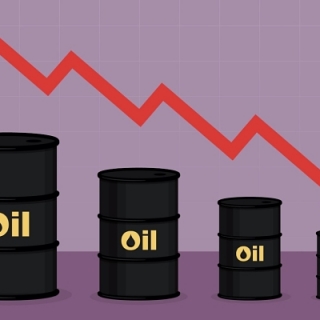
Oil prices plunged 2% on Tuesday (October 28th), marking a third straight day of declines as investors assess the impact of US sanctions on Russia's two largest oil companies, as well as a potential OPEC+ plan to increase production.
Brent crude fell $1.29, or 2%, to $64.33 per barrel at 08:56 GMT. US West Texas Intermediate crude fell $1.20, or 2%, to $60.11. "Traders are weighing progress in US-China trade talks and the broader supply outlook," ANZ said in a morning note.
The lower prices come after Brent and WTI posted their biggest weekly gains since June last week, in response to US President Donald Trump's decision to impose Ukraine-related sanctions on Russia for the first time in his second term, targeting oil companies Lukoil and Rosneft. Investors continue to weigh the effectiveness of those sanctions on Russia.
"The oil market is still debating whether the latest sanctions will impact Russian oil exports, with market participants slightly reducing the supply risk premium established last week," said UBS analyst Giovanni Staunovo. The impact of sanctions on oil-exporting countries will be limited due to overcapacity, said International Energy Agency Executive Director Fatih Birol on Tuesday.
Following the US sanctions, Russia's second-largest oil producer, Lukoil, said on Monday that it would sell its international assets. This is the most significant action so far by a Russian company since Western sanctions over Russia's war in Ukraine, which began in February 2022.
Meanwhile, Indian refiners have not placed new orders for Russian oil since the sanctions were imposed, as they await clarity from the government and suppliers, sources told Reuters on Tuesday.
OPEC+, the Organization of the Petroleum Exporting Countries (OPEC) and its allies, including Russia, is likely to increase production modestly in December, four sources familiar with the talks told Reuters.
After curbing production for several years in an effort to support the oil market, the group began unwinding those cuts in April. Investors will be closely monitoring the prospects for a trade deal between the US and China, the world's two largest oil consumers, with Trump and President Xi Jinping scheduled to meet on Thursday in South Korea.
Beijing hopes Washington can reach a mid-level agreement to "prepare for high-level interactions" between the two countries, Foreign Minister Wang Yi told US Secretary of State Marco Rubio in a phone call on Monday. (alg)
Source: Reuters
Oil prices stabilized on Thursday (February 12th), as the market reassigned a risk premium to US-Iran tensions despite US inventory data showing swelling domestic supplies. This movement confirms one ...
Oil prices rose on Wednesday (February 11th), supported by a combination of geopolitical risk premiums from US-Iran tensions and more solid Asian demand signals particularly from India which helped ea...
Oil remained in the green zone on Tuesday (February 10th), as the market refused to abandon the Middle East risk premium. As of 13:07 GMT (20:07 WIB), Brent rose +0.4% to $69.32/barrel, while WTI rose...
Oil prices fell about 1% on Monday as concerns about conflict in the Middle East eased slightly. The market calmed after the US and Iran agreed to resume talks on Tehran's nuclear program, reducing fe...
Oil prices moved slightly higher in a volatile session on Friday, as investors assessed the direction of nuclear negotiations between the United States and Iran. Price movements appeared sensitive to ...
Oil prices stabilized on Thursday (February 12th), as the market reassigned a risk premium to US-Iran tensions despite US inventory data showing swelling domestic supplies. This movement confirms one thing: geopolitical headlines are still more...
Gold prices weakened slightly on Thursday (February 12th), as more solid US employment data reduced market confidence in an imminent Federal Reserve interest rate cut. The strong employment data prompted market participants to shift expectations of...
The Hang Seng Index reversed its downward trend in Hong Kong on Thursday (February 12th), weakening by around 0.9% to around 27,000 after a strong session earlier. This decline halted the momentum of the short term rally, as investors began to...