


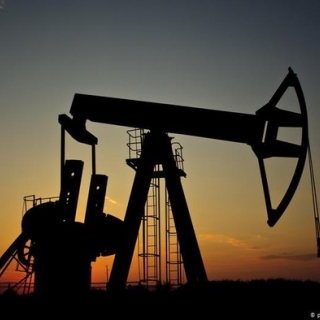
Oil prices held steady on Thursday (September 11th) as concerns over weakening US demand and the risk of a wider oversupply were offset by concerns over attacks in the Middle East and Russia's war in Ukraine.
Brent crude futures fell 13 cents, or 0.2%, to $67.36 per barrel at 07:29 GMT, while U.S. West Texas Intermediate crude futures fell 17 cents, or 0.3%, to $63.50.
Benchmark crude prices rose more than $1 per contract on Wednesday following Israel's attack on Hamas leaders in Qatar the previous day and the mobilization of Polish and NATO air defenses to shoot down a suspected Russian drone that had entered Polish airspace during an attack in western Ukraine.
This increase continues the upward trend in oil prices for most of this month after hitting a three-month low on September 5th. While geopolitical tensions have provided some support for oil prices, the market is more concerned about oversupply, said PVM Oil Associates analyst Tamas Varga in a note.
"Tighter sanctions on buyers of Russian crude, particularly China and India, could provide additional ammunition for bullish investors, but these measures remain largely rhetorical for now," he added. US crude inventories rose by 3.9 million barrels in the week ending September 5, according to the Energy Information Administration (EIA), compared with expectations for a 1 million barrel decrease.
Meanwhile, a weakening US economy has raised expectations that the Federal Reserve will cut interest rates next week. "Traders are adopting a more cautious stance ahead of the upcoming US inflation report (later Thursday), with expectations of a more significant Federal Reserve rate cut already priced in, which could be undermined by a warmer-than-expected CPI report," said IG market analyst Tony Sycamore.
On the supply side, the Organization of the Petroleum Exporting Countries and its allies, a group collectively known as OPEC+, decided on Sunday to increase production starting in October. Although the increase was smaller than in previous months and some expectations, this move further exacerbates the oil market weakness. Oil prices are expected to fall significantly in the coming months as increased production will lead to a significant buildup in inventories, the EIA said this week. (alg)
Source: Reuters
Oil prices stabilized on Thursday (February 12th), as the market reassigned a risk premium to US-Iran tensions despite US inventory data showing swelling domestic supplies. This movement confirms one ...
Oil prices rose on Wednesday (February 11th), supported by a combination of geopolitical risk premiums from US-Iran tensions and more solid Asian demand signals particularly from India which helped ea...
Oil remained in the green zone on Tuesday (February 10th), as the market refused to abandon the Middle East risk premium. As of 13:07 GMT (20:07 WIB), Brent rose +0.4% to $69.32/barrel, while WTI rose...
Oil prices fell about 1% on Monday as concerns about conflict in the Middle East eased slightly. The market calmed after the US and Iran agreed to resume talks on Tehran's nuclear program, reducing fe...
Oil prices moved slightly higher in a volatile session on Friday, as investors assessed the direction of nuclear negotiations between the United States and Iran. Price movements appeared sensitive to ...
Oil prices stabilized on Thursday (February 12th), as the market reassigned a risk premium to US-Iran tensions despite US inventory data showing swelling domestic supplies. This movement confirms one thing: geopolitical headlines are still more...
Gold prices weakened slightly on Thursday (February 12th), as more solid US employment data reduced market confidence in an imminent Federal Reserve interest rate cut. The strong employment data prompted market participants to shift expectations of...
The Hang Seng Index reversed its downward trend in Hong Kong on Thursday (February 12th), weakening by around 0.9% to around 27,000 after a strong session earlier. This decline halted the momentum of the short term rally, as investors began to...