


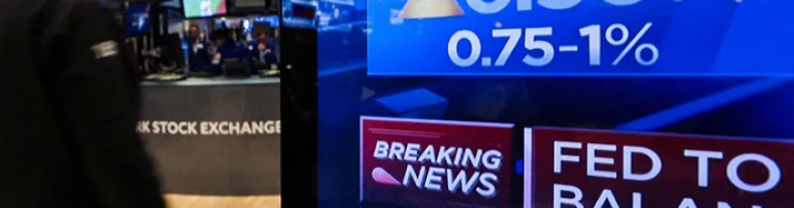
Stephen Miran, a Federal Reserve governor whose term ends at the end of January, said Thursday that he is looking for 150 basis points of interest-rate cuts this year to boost the U.S. labor market. Miran told Bloomberg Television's Surveillance program that Fed officials had room to further reduce rates given his view that underlying inflation was likely running at 2.3%. "I'm looking for about a point and a half of cuts. A lot of that is driven by my view of inflation," Miran said. "Underlying inflation is running within noise of our target, and that's a good indication of where overall...
Gold edges higher in early Asian trade, aided by risks that the U.S. government shutdown may weaken the economy, potentially prompting more Fed rate cuts that would bolster the appeal of the non-interest-bearing precious metal. Treasury Bessent said in an interview with CNBC on Thursday that the shutdown has the potential to chip away at U.S. economic growth. Gold prices are supported by expectations of easier monetary policy, central bank demand and a weak U.S. dollar, says Fawad Razaqzada, market analyst at City Index and FOREX.com, in an email. Spot gold is 0.1% higher at...
Oil was on track for the biggest weekly decline since late June, ahead of an OPEC+ meeting that's expected to result in the return of more idled barrels, exacerbating concerns around oversupply. West Texas Intermediate futures traded below $61 a barrel, down almost 8% for the week. Brent closed near $64 on Thursday. The alliance is scheduled to meet on Sunday to make a decision on output for November, and could discuss fast-tracking supply hikes as the group seeks to reclaim market share. There are already early signs that global oversupply may be emerging in the...
The Australian dollar (AUD) moved cautiously as markets weighed the effects of the US government shutdown, which delayed the release of important macro data and obscured visibility ahead of the Fed's decision. The lack of data has led market participants to rely again on signals from Treasury yields and the direction of the DXY; if US yields soften and the dollar loses traction, the AUD has room to strengthen, but any risk-off episodes tend to pressure high-beta currencies like the Aussie. Domestically, the focus is on the RBA early next week to read the latest policy tone: whether the...
Oil prices fell about 2% to their lowest in four months on Thursday, extending a run of declines into a fourth day, due to concerns about oversupply in the market ahead of a meeting of the OPEC+ group over the weekend. Brent crude futures fell $1.20, or 1.8%, to $64.15 a barrel by 2:45 p.m. ET (1845 GMT), the lowest since June 2. U.S. West Texas Intermediate crude dropped $1.30, or 2.1%, to settle at $60.48 a barrel, the lowest since May 30. OPEC+ could agree to raise oil production by up to 500,000 barrels per day in November, triple the increase for October, as Saudi Arabia seeks to...
Gold (XAU/USD) trades with a negative bias on Thursday, trimming recent gains after posting a fresh all-time high near $3,895 on Wednesday. At the time of writing, XAU/USD trades around $3,820 during the American session, down over 1.0% after briefly retesting the record peak. The fundamental backdrop still leans supportive. The United States (US) government shutdown is stoking safe-haven interest, while growing conviction that the Federal Reserve (Fed) will cut interest rates later this month is keeping Treasury yields subdued, which bolsters the case for holding the non-yielding...
 Bank of Japan (BOJ) Governor Kazuo Ueda stated that achieving 2% inflation is getting closer, although real inflation remains low. Ueda emphasized that the BOJ will continue to raise interest rates...
 The Reserve Bank of Australia (RBA) maintained its cash rate at 4.1% during its April meeting, holding borrowing costs unchanged after slashing 25 bps in the February meeting, aligning with market...