


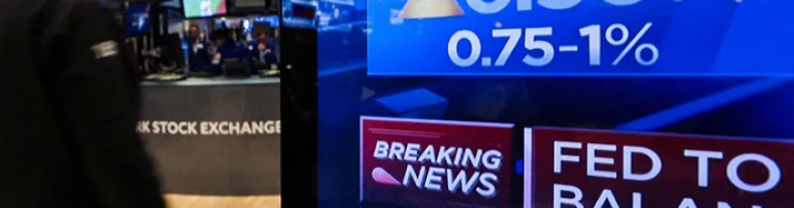
Stephen Miran, a Federal Reserve governor whose term ends at the end of January, said Thursday that he is looking for 150 basis points of interest-rate cuts this year to boost the U.S. labor market. Miran told Bloomberg Television's Surveillance program that Fed officials had room to further reduce rates given his view that underlying inflation was likely running at 2.3%. "I'm looking for about a point and a half of cuts. A lot of that is driven by my view of inflation," Miran said. "Underlying inflation is running within noise of our target, and that's a good indication of where overall...
The Japanese yen weakened to near 158.5 per dollar on Thursday, amid market concerns over the worsening fiscal outlook. The Bank of Japan (BOJ) began a two-day policy meeting, and traders remained wary of possible intervention to stabilize the yen. Prime Minister Sanae Takaichi called a snap election and pledged to ease fiscal policy, including eliminating the 8% sales tax on food. Meanwhile, the BOJ is expected to keep interest rates steady at 0.75% after a hike in December, maintaining monetary stability even as pressure on the yen remains high. Economically, Japanese exports rose for...
Gold prices rose sharply again on Tuesday (January 20th), hitting a new record, breaking through the psychological barrier above $4,700 per ounce. This rise was driven by a "flight to safety" as geopolitical tensions escalated and trade war concerns resurfaced in global markets. On the spot market, gold rose more than 3% to around $4,750/oz, after hitting an intraday peak of $4,766.10/oz. US gold futures for February delivery closed 3.7% higher at $4,765.80/oz. This movement indicates that demand for gold remains strong despite prices reaching unprecedented levels. The trigger came from a...
Gold prices hit another record high, while silver held near its all-time high. This rise was driven by two major factors: the escalating Greenland crisis and turmoil in the Japanese government debt market, which sent investors rushing to safe havens. In Davos, US President Donald Trump showed no signs of backing down from his plan to take over the Arctic island. The situation further heightened market tensions after Greenland's Prime Minister urged the public to prepare for the possibility of a military invasion though he insisted the scenario was remote. Amid the tensions, the spot price...
Oil prices rose on Tuesday, supported by a combination of supply disruptions from Kazakhstan, improved global economic growth projections, and a weakening US dollar, making dollar-denominated oil cheaper for foreign buyers. Brent rose to around $64.43 per barrel, while WTI strengthened to around $60 per barrel. However, market participants remained cautious as geopolitical developments particularly regarding Greenland have the potential to trigger renewed trade tensions between the US and Europe. On the supply side, Tengizchevroil (TCO) halted production at its Tengiz and Korolevskoye...
The USD/CHF pair weakened for the third consecutive day and traded around 0.7960 in early European trading on Tuesday. The Swiss franc strengthened on increased demand for safe haven assets, following US President Donald Trump's new tariff threats that have shaken global markets. Trump plans to impose 10% tariffs starting February 1st on several European countries and the UK, with the possibility of increasing the tariffs to 25% if a deal fails. This threat, which also relates to the Greenland issue, triggered a sell-off in US assets. Investors fear that prolonged uncertainty will undermine...
 Bank of Japan (BOJ) Governor Kazuo Ueda stated that achieving 2% inflation is getting closer, although real inflation remains low. Ueda emphasized that the BOJ will continue to raise interest rates...
 The Reserve Bank of Australia (RBA) maintained its cash rate at 4.1% during its April meeting, holding borrowing costs unchanged after slashing 25 bps in the February meeting, aligning with market...