


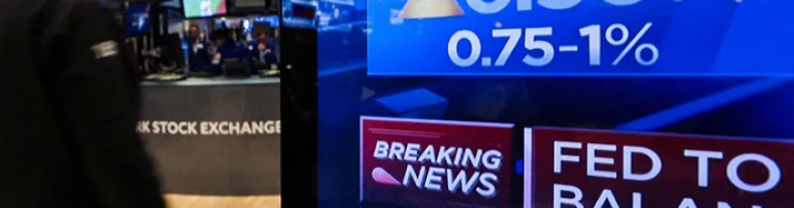
Stephen Miran, a Federal Reserve governor whose term ends at the end of January, said Thursday that he is looking for 150 basis points of interest-rate cuts this year to boost the U.S. labor market. Miran told Bloomberg Television's Surveillance program that Fed officials had room to further reduce rates given his view that underlying inflation was likely running at 2.3%. "I'm looking for about a point and a half of cuts. A lot of that is driven by my view of inflation," Miran said. "Underlying inflation is running within noise of our target, and that's a good indication of where overall...
Gold prices were little changed, trading around $3,300 an ounce on Wednesday as investors digested the minutes from the Federal Reserve's May meeting, which revealed growing concerns about inflation and a weakening labor market, in part due to trade tensions and proposed tariffs. The Fed maintained a cautious stance, opting to hold interest rates steady for a third straight meeting while acknowledging rising economic uncertainty and risks to inflation and employment. While the economy remains solid, officials have warned of lower growth forecasts and rising recession risks. Gold, up 26%...
Oil prices rose as markets weighed the risk of additional U.S. sanctions on Russia and the possibility that nuclear talks with Iran would fail to produce a deal. West Texas Intermediate crude rose more than 2% to $62 a barrel after President Donald Trump said Russian President Vladimir Putin was "playing with fire" by escalating attacks on Ukraine. The U.S. is considering additional sanctions on the country after aggressive actions against Russia's oil industry earlier this year sent crude surging past $80 a barrel. Russia-Ukraine talks are set to be held in Istanbul on June 2, according to...
Gold fluctuated after a two-day decline as markets remained in wait-and-see mode despite data showing improving economic sentiment and signs of progress in trade talks. Bullion fell as much as 0.3% after earlier rising as much as 0.7%, while the dollar wavered and Treasury yields edged higher. Investors weighed improving trade relations between Washington and Brussels. The European Union's trade chief, Maros Sefcovic, said he planned to speak with U.S. Commerce Secretary Howard Lutnick and U.S. Trade Representative Jamieson Greer on Thursday, as the EU has sought to speed up negotiations...
The U.S. dollar rose for a second day on Wednesday on optimism that a trade deal will brighten the U.S. economic outlook, while the Japanese yen weakened after the government saw weak demand for 40-year bonds. Pessimism about the U.S. economy has eased after Trump delayed plans to impose 50% tariffs on European Union imports over the weekend and following a deal with China earlier this month to reduce tariffs imposed on each other. "The quick reversal of tariff threats against Europe over the weekend has improved risk appetite and reduced negative perceptions about the U.S. growth...
The dollar index edged up to 99.7 on Wednesday, extending a nearly 0.4% gain from the previous session, as traders awaited fresh catalysts while continuing to monitor trade tensions and fiscal developments under the Trump administration. Despite the recent uptick, the greenback remains near its 2023 lows reached in April and is down more than 7% year-to-date. On Sunday, President Trump postponed the implementation of a planned 50% tariff on EU imports to July 9th, just days after announcing the sweeping measure. Meanwhile, his so-called "big beautiful bill" narrowly passed the House of...
 Bank of Japan (BOJ) Governor Kazuo Ueda stated that achieving 2% inflation is getting closer, although real inflation remains low. Ueda emphasized that the BOJ will continue to raise interest rates...
 The Reserve Bank of Australia (RBA) maintained its cash rate at 4.1% during its April meeting, holding borrowing costs unchanged after slashing 25 bps in the February meeting, aligning with market...